


(Speakers listed below in name alphabet order)
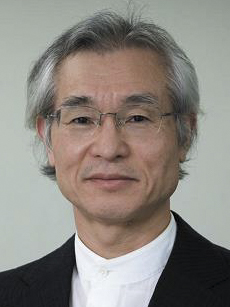
Fumiyuki Adachi (IEEE/LEICE Life Fellow)
Professor, Tohoku University, Japan
Title: Towards the realization of a highly sustainable and resilient 6G RAN
Time: 11:30am-112:00pm, Wednesday, February 18, 2026
Abstract:
Cellular networks have become critical infrastructure in our society, so there is a strong demand for further improving energy efficiency and resilience while simultaneously improving spectrum efficiency. The user-centric radio access network (RAN) based on multiuser distributed MIMO improves both spectrum and energy efficiencies under the limited computational capacity of each base station (BS). Virtual small cells (or user clusters) are formed to perform interference suppressed multiuser distributed MIMO within each user cluster. The radio links between users and distributed radio units (RUs) are shortened, enabling each RU to be powered by renewable energy sources such as solar power. Incorporating the reconfiguration of cellular structure in response to changes in active RU distribution enhances the resilience against natural disasters. However, relying on a single network remains vulnerable in the event of a natural disaster. Incorporating a multilayered communication concept based on cognitive radio can further enhance the resilience. User clusters within disaster-affected areas are re-formed as single-user clusters, enabling each user to be served via nearby surviving RUs or via WiFi, V2V, or satellite network. This talk introduces the design concept of a highly sustainable and resilient 6G RAN.
Biography:
Fumiyuki Adachi received the B.S. and Dr. Eng. degrees in electrical engineering from Tohoku University, Sendai, Japan, in 1973 and 1984, respectively. In April 1973, he joined the Electrical Communications Laboratories of NTT and started mobile communications research. From July 1992 to December 1999, he was with NTT DOCOMO, leading a research group on wideband/broadband wireless access for 3G and beyond. He contributed to developing the 3G air interface standard, known as W-CDMA. Since January 2000, he has been with Tohoku University, Sendai, Japan. Currently, he is researching resilient wireless communication technology to realize beyond 5G/6G systems as a Specially Appointed Research Fellow/Professor Emeritus at the International Research Institute of Disaster Science (IRIDeS), Tohoku University. His research interests are in the areas of wireless signal processing and networking, including multi-access, equalization, antenna diversity, cooperative transmission, channel coding, and radio resource management. He is IEEE Life Fellow and IEICE Life Fellow. He is the recipient of 2000 IEEE VTS Avant Garde Award, 2002 IEICE Achievement Award, 2004 Thomson Scientific Research Front Award, 2010 Prime Minister Invention Award, 2014 C&C Prize, 2017 IEEE VTS Stuart Meyer Memorial Award, and 2017 IEEE ComSoc RCC Technical Recognition Award.
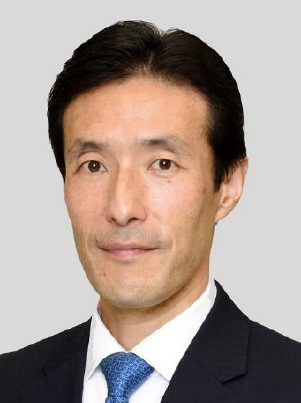
Masayuki Ariyoshi (IEICE Fellow)
Senior Principal Researcher, Advanced Network Research Laboratories, NEC Corporation, Japan
Title: Smart Network Management for Satellite Constellations and Space-Integrated Networks
Time: 5:30pm-6:00pm, Tuesday, February 17, 2026
Abstract:
Future networks, including 6G, are expected to meet the challenging requirements of making all devices permanently reachable to/from the network, while providing reliable services with low latency. To achieve this, it is necessary to enable network connectivity everywhere around the globe, including in suburban and maritime areas, and to establish high-speed links even in remote areas. Integrating non-terrestrial networks (NTN) using satellite constellations with evolving terrestrial mobile/fixed networks is a promising approach, and various studies on space-air-ground integrated networks (SAGIN) are underway.
In this invited talk, the latest trends surrounding satellite constellations and the expected direction of value creation will be first discussed. Then, a system architecture for the space-integrated networks, centred on satellite constellations, and technical challenges from the perspective of smart network management will be introduced. Furthermore, some of the latest research outcomes related to smart network management will be presented.
Biography: Masayuki Ariyoshi received BE and ME degrees in electrical engineering and PhD in information and computer science from Keio University, Japan. He is currently a Senior Principal Researcher at Advanced Network Research Laboratories, NEC Corporation, leading the B5G and Space Communications R&D projects whose scope includes terrestrial and non-terrestrial integrated networks. Concurrently, he is a Research Professor at the Graduate School of Information Science, Tohoku University, directing the NEC x Tohoku University Co-Creation Institute of Space-Integrated Network for Resilient Digital Transformation since its establishment in November 2023. He was awarded for technical contributions including the Best Paper Award from Wireless Innovation Forum in 2015, Telecommunication Technology Award/ TTC President Award in 2019, the Best Paper Award from Congress of Japan Railway Cybernetics in 2021, the Best Paper Award/ Paper of the Year 2023 Award from IEICE in 2024. He is a Senior Member of IEEE and a Fellow of IEICE.
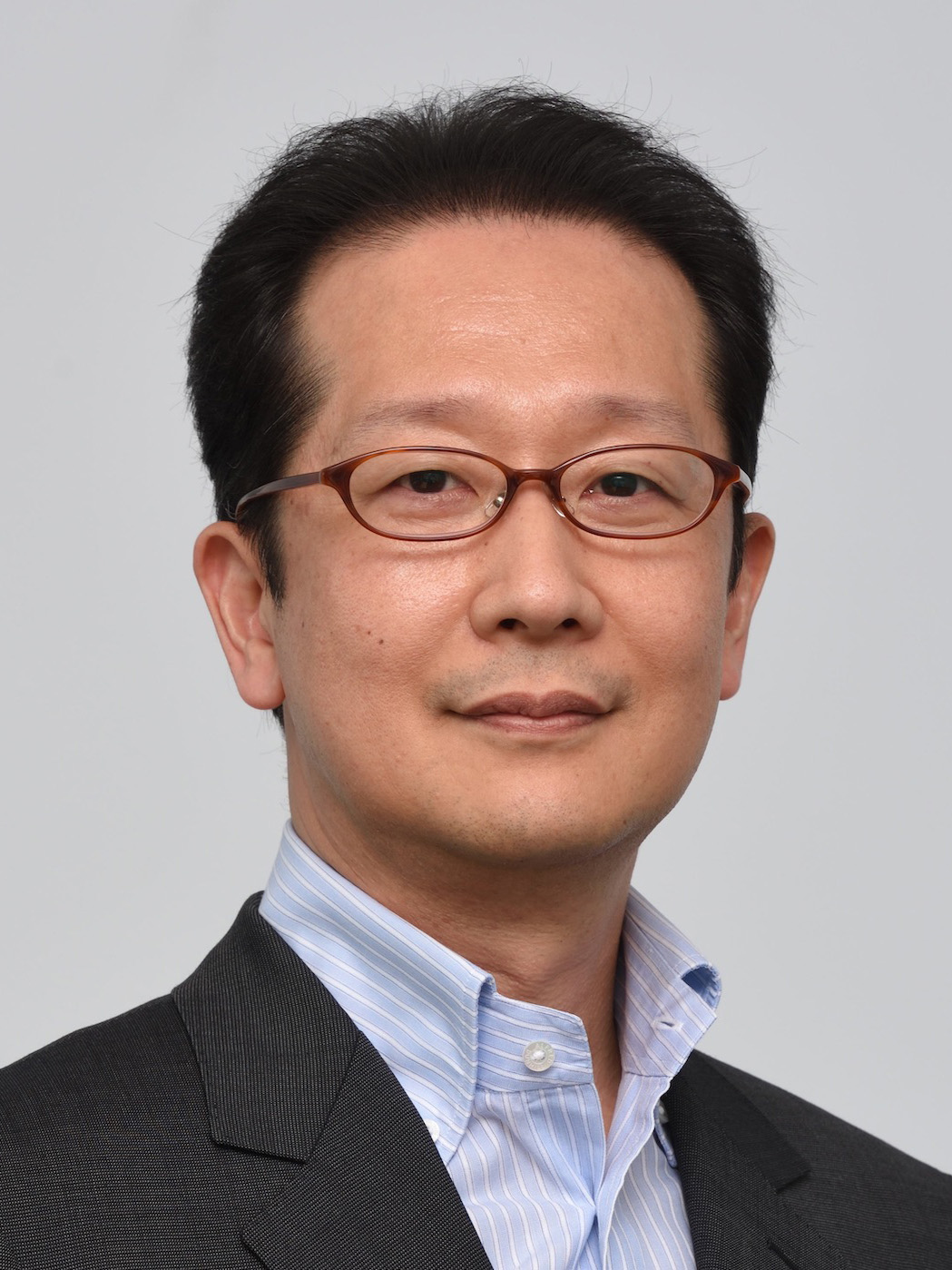
Hitoshi Asaeda (IEICE Fellow)
National Institute of Information and Communications Technology (NICT), Japan
Title: Empowering ICN as an Emerging Network Component for Frontier Applications
Time: 2:30pm-3:00pm, Monday, February 16, 2026
Abstract:
Information-Centric Networking (ICN) has attracted significant attention as a network architecture optimized for efficient and scalable content dissemination. Moving beyond the conventional paradigm of name-based content retrieval, ICN can also support communication patterns associated with services and in-network computation. This paper aims to strengthen ICN by leveraging its core principles and introducing complementary mechanisms to improve efficiency, reliability, and performance within IP-based infrastructures. We present ICNx, an extension of the baseline ICN architecture that incorporates functional capabilities supporting adaptive and coordinated communication for both content delivery and function invocation. The study includes the architectural design and a prototype implementation on the open-source Cefore platform. In addition, a large-scale research initiative under Japan’s JST Moonshot R&D program is discussed as an illustrative use case motivating the proposed design. The results demonstrate the practical feasibility of the approach and highlight the evolving role of ICN, not merely as a content-delivery mechanism, but as a foundational communication substrate for scalable and resilient applications.
Biography:
Hitoshi Asaeda is an Associate Director General of the Network Research Institute and a Director of the Network Architecture Laboratory at National Institute of Information and Communications Technology (NICT). He is also a Collaborative Professor with the Graduate School of Informatics and Engineering, the University of Electro-Communications (UEC). He holds a Ph.D. degree from Keio University. He was previously with IBM Japan, Ltd. and INRIA Sophia Antipolis, France. He was a Project Associate Professor at Keio University from 2005 to 2012. He was a Guest Editor-in-Chief of the special series of IEICE Trans. Commun. in 2016. He was a Chair of the IEICE Technical Committee on ICN from 2017 to 2019. He served as a General Chair of IEEE/ACM IWQoS 2021 and ACM ICN 2022 and has been an organized committee member and a TPC member for premier conferences such as IEEE INFOCOM, WCNC, and ACM ICN. He was a Program Officer for several international projects and has been actively working in the IETF standards body. He received the IEICE Communications Society Outstanding Contributions Award in 2019 and the Best Tutorial Paper Award from the IEICE Communications Society in 2024. He is the leader of the open-source Cefore development project. His research interests include information-centric networking, semantic communication, high-quality streaming, and large-scale testbeds. He is a Fellow of the IEICE, a Senior Member of the IEEE, and a Member of the ACM.
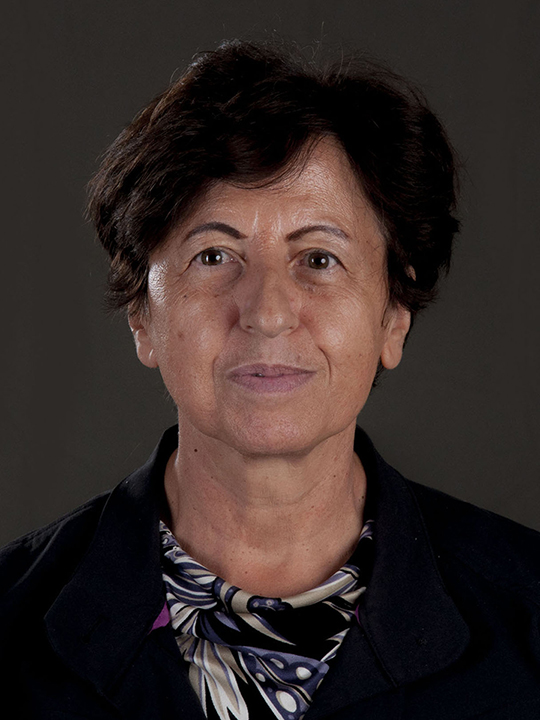
Elisa Bertino (IEEE/ACM/AAAS Fellow)
Samuel D. Conte Professor, Purdue University, USA
Title: Mission Explainable: From Feature Attribution to Mitigation in 5G Anomaly Detection
Time: 11:00am-11:30am, Monday, February 16, 2026
Abstract:
Next-generation networks' complexity translates to a broad attack surface, increasingly hard to monitor and protect. In the ongoing cybersecurity arms race, as attackers exploit Artificial Intelligence (AI) to design new threats, defenders must operate at the same level. While AI-based anomaly detection has shown great promise, its interpretability is often hindered by the black box nature of modern models. Explainable AI (XAI) methods, starting from feature attribution, can address this challenge by providing insights into the model's decision-making process. Yet, it remains unclear to what extent XAI can help analysts interpret alerts and guide mitigation actions. In this talk, we explore the use of large language models (LLMs) as an additional interpretive layer in the anomaly detection pipeline. We propose ROXAS (Reasoning Over eXplained AnomalieS), a methodology that combines anomaly detection via an XGBoost regressor trained solely on benign data, logic-based feature attribution for correct interpretation of alerts, and LLM-based guidance to move toward actionable mitigation assistance. Our pipeline is evaluated in a scenario focusing on the detection of fake base stations. The LLM outputs are evaluated against the expert-curated MITRE FiGHT database, showing alignment with best practices in 5G network defense.
Biography:
Elisa Bertino is a Samuel Conte Distinguished Professor of Computer Science at Purdue University. She serves as Director of the Purdue Cyberspace Security Lab (Cyber2Slab). Prior to joining Purdue, she was a professor and department head at the Department of Computer Science and Communication of the University of Milan. She has also held visiting professor positions at the Singapore National University and the Singapore Management University. Her recent research focuses on security and privacy of cellular networks and IoT systems, and on edge analytics for cybersecurity. Elisa Bertino is a Fellow member of IEEE, ACM, and AAAS. She received the 2002 IEEE Computer Society Technical Achievement Award for “For outstanding contributions to database systems and database security and advanced data management systems”, the 2005 IEEE Computer Society Tsutomu Kanai Award for “Pioneering and innovative research contributions to secure distributed systems”, the 2019-2020 ACM Athena Lecturer Award, and the 2021 IEEE 2021 Innovation in Societal Infrastructure Award. She is currently serving as ACM Vice-president.
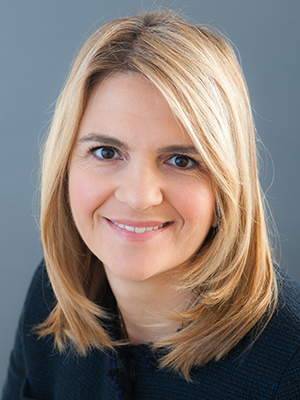
Danijela Cabric (IEEE Fellow)
Professor, University of California, Los Angeles, USA
Title: Meeting 6G demands for energy efficiency and access to mid-band spectrum
Time: 4:30pm-5:00pm, Tuesday, February 17, 2026
Abstract:
Each generation has taken a big step forward and introduced new technologies in order to increase the performance of networks and devices to support the constantly enriched services. In 5G, the telecommunications industry has been particularly focused on improving user experiences such as data rates and latency. However, 6G key objectives have significantly shifted. Operators are requesting improvement of operating costs, energy efficiency, access to mid-spectrum while embedding and leveraging AI/ML technology. This talk will discuss technologies and architectures for energy-efficient mobile and fixed wireless access using new antenna array designs, beamforming modes, ultra-wideband multiple access, and scalable processing architectures to support different coverage and connectivity requirements in 6G cellular and massive IoT connectivity. It will also explore solutions for enabling spectrum sharing in mid-band spectrum between cellular networks and incumbents including radars and satellites.
Biography:
Danijela Cabric is a Professor in the Electrical and Computer Engineering Department at the
University of California, Los Angeles. She received M.S. from the University of California, Los Angeles in 2001 and Ph.D. from University of California, Berkeley in 2007, both in Electrical Engineering. In 2008, she joined UCLA as an Assistant Professor, where she heads Cognitive Reconfigurable Embedded Systems lab. Her current research projects include novel radio architectures, signal processing, communications, machine learning and networking techniques for spectrum sharing, millimeter-wave, massive MIMO and IoT systems. She is a principal investigator in the three large cross-disciplinary multi-university centers including SRC/JUMP ComSenTer and CONIX, and NSF SpectrumX. Prof. Cabric was a recipient of the Samueli Fellowship in 2008, the Okawa Foundation Research Grant in 2009, Hellman Fellowship in 2012, the National Science Foundation Faculty Early Career Development (CAREER) Award in 2012, and Qualcomm Faculty Awards in 2020 and 2021. Prof. Cabric is an IEEE Fellow.
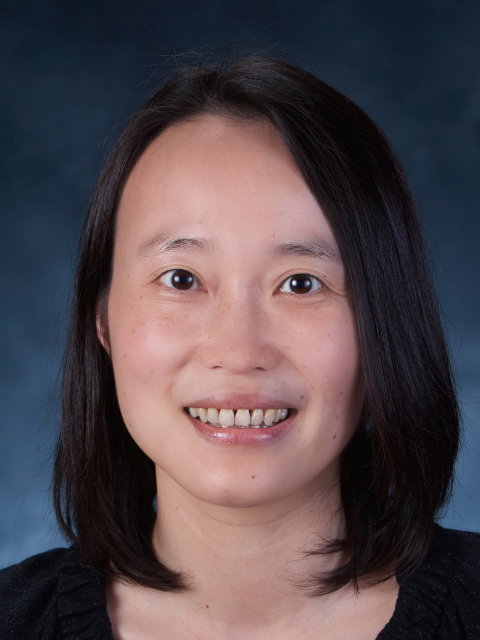
Min Chen
Professor, University of Washington Bothell (UW Bothell), USA
Title: Engaging with the IEEE Computer Society: Opportunities for Individuals, Conferences, and Organizations
Time: 2:00pm-2:30pm, Monday, February 16, 2026
Abstract:
The IEEE Computer Society (IEEE CS) provides a global platform for professional development, research dissemination, and technical community building. In this talk, I will share opportunities, some of which may be lesser known, for researchers, practitioners, and conference organizers to engage with IEEE CS, drawing on my role as a member of the IEEE CS Board of Governors. Topics include benefits for individual members, support for conferences and organizations, leadership and service opportunities, and pathways for shaping future technical directions. The talk will also introduce the Technical Community on Multimedia Computing (TCMC), including its mission, activities, and opportunities for participation and collaboration.
Biography:
Dr. Min Chen is a Professor in the Department of Computing and Software Systems, School of STEM at University of Washington Bothell (UW Bothell). Prior to coming to UW Bothell, she was an Associate Professor at the Department of Computer Science, University of Montana. Her research interests include multimedia big data analytics, multimedia data mining, machine learning, and their applications on interdisciplinary projects. She received the Best Demo Award from the 2021 IEEE International Conference on Multimedia Information Processing and Retrieval, the Best Paper Award from the 15th IEEE International Conference on Information Reuse and Integration, and 2015 IGI Global Annual Excellence in Research Journal Award. Dr. Chen is currently serving on the IEEE Computer Society (CS) Board of Governors, chairing the IEEE CS Technical Community on Multimedia Computing (IEEE TCMC), and is the Associate Editor of International Journal of Multimedia Data Engineering and Management (IJMDEM). She was the Associate Editor of IEEE Transactions on Multimedia (TMM), TPC co-chair for 13 international conferences/symposiums/workshops, a steering committee member in 2 international conferences, and a key organizer for more than 20 international conferences.
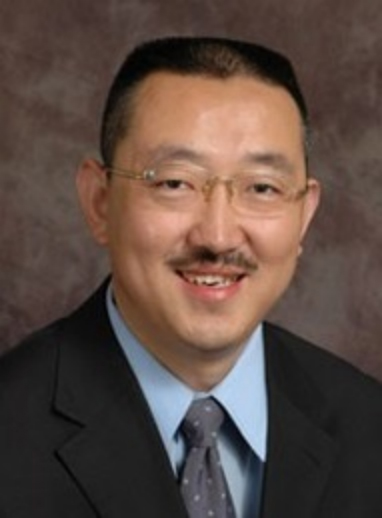
Song Ci (IEEE Fellow)
Professor, Tsinghua University, China
Title: Digital Energy Processing and Computing: Theory and Practice
Time: 5:00pm-5:30pm, Tuesday, February 17, 2026
Abstract:
Since the invention of electricity, energy supply has been relying on various analog power conversion, which cannot fulfill requirements of dynamic responsive energy dispatching posed by emerging application scenarios, such as renewable energy storage, AIDC and EV. With the fast-paced development of power electronics semiconductors, such as power MOSFET, SiC and GaN with their outstanding material properties, it becomes feasible to carry out the traditional digital signal processing at ever-increasing high switching speed, high current, and feverish temperature. By building a new “digital energy computer”, traditional continuous energy flow (high power-rating signals) can be transformed into “digital energy bits”, which further seamlessly integrating with the computing ecosystem, leading to a whole new energy management and control paradigm for dynamic responsive energy dispatching. In this talk, we will introduce the basic design methodology of digital energy processing and computing, the design and implementation of the proposed digital energy computer, as well as its real-world application results, which shows a promising disruptive path to the future Energy Internet.
Biography:
Dr. Song Ci (慈松) is a Professor with the Electrical Engineering Department of Tsinghua University, China. Before joining Tsinghua University, he was a Tenured Associate Professor with the ECE Department of the University of Nebraska–Lincoln, USA. He is also a Global Visiting Professor of Technical University of Munich, Germany. His current research interests include large-scale dynamic complex system modeling and optimization and its application in the Internet and the Energy Internet. He has published more than 400 peer-reviewed research articles in those areas. He is also the founder of the iBatteryCloud, a startup company focusing on digital energy processing and computing systems and vertical solutions for various industrial sectors. Dr. Ci is a Fellow of IEEE and a Fellow of AAIA. He has served as an Editor or a Guest Editor in many journals and served on TPCs of numerous international conferences.

Falko Dressler (IEEE/ACM/AAIA Fellow)
Professor, TU Berlin, Germany
Title: Ns3Sionna: Realistic Wireless Network Simulation with Ray Tracing in ns-3
Time: 10:00am-10:30am, Tuesday, February 17, 2026
Abstract:
Network simulators are essential tools for advancing wireless communication technologies, providing cost-effective, reproducible, and scalable environments for system evaluation. However, conventional simulators such as ns-3 rely on simplified statistical or stochastic channel models that inadequately represent physical propagation phenomena such as multipath fading, diffraction, and shadowing. We present Ns3Sionna, a framework that integrates a ray-tracing-based channel model implemented using the Sionna RT engine into the ns-3 network simulator. This integration enables environment-specific, physically accurate channel realizations for arbitrary 3D scenes and device configurations. Ns3Sionna also introduces a ray-tracing-based mobility model that ensures realistic node movement within complex indoor and outdoor environments. Compared with existing ns-3 models, Ns3Sionna produces more realistic path loss, fading and delay characteristics, exhibiting spatial and temporal correlations consistent with measured wireless channels. Fine-grained channel state information generated by the framework can further support sensing and localization research. To address the high computational complexity of ray tracing, Ns3Sionna leverages GPU and multi-core CPU parallelization together with intelligent pre-caching mechanisms based on channel reciprocity and coherence time. This approach enables practical, high-fidelity simulations for small- to medium-scale mobile wireless networks.
Biography:
Falko Dressler is full professor and Chair for Telecommunication Networks at the School of Electrical Engineering and Computer Science, TU Berlin. He received his M.Sc. and Ph.D. degrees from the Dept. of Computer Science, University of Erlangen in 1998 and 2003, respectively. Dr. Dressler is an IEEE Fellow, an ACM Fellow, and an AAIA Fellow. He is a member of the German National Academy of Science and Engineering (acatech). His research objectives include next generation wireless communication systems in combination with distributed machine learning and edge computing for improved resiliency.
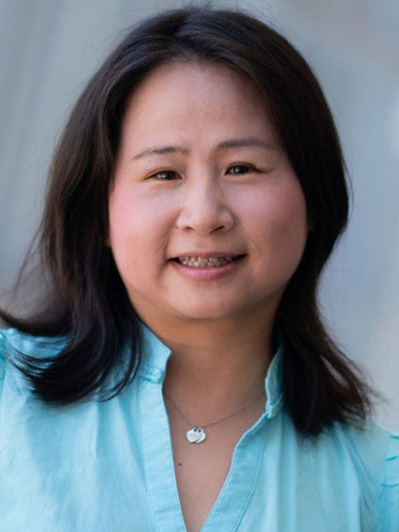
Julia Fang (IEEE ComSoc Distinguished Lecturer)
Professor, Yeshiva University, USA
Title: Towards Intelligent Behavioral Trajectory Pattern Recognition and Real-time Machine Learning in Digital Trials
Time: 10:30am-11:00am, Thursday, February 19, 2026
Abstract:
This talk will explore two closely related topics: intelligent behavioral trajectory pattern recognition and real-time machine learning in digital trials. Federated learning and digital twins will be presented as natural extensions of these approaches, enabling scalable, privacy-preserving, and personalized digital health solutions. Federal-funded projects, along with newly developed AI algorithms, models, and web-based databases, will be introduced and demonstrated for each topic. The reproducibility of AI methods and real-time learning techniques will be discussed within the broader context of digital health and the Internet of Medical Things. Emerging trends, potential applications, and key challenges in these rapidly evolving areas will also be discussed.
Biography:
Dr. Hua (Julia) Fang is a Full Professor with tenure in Department of Graduate Computer Science and Engineering, AI program director, Katz College of Science and Health, at Yeshiva University and an Adjunct Full Professor at the University of Massachusetts Chan Medical School. She is the PI of Computational eXtended Immersive Intelligence Lab (CIXI). She specializes in behavioral trajectory pattern recognition and missing data analysis and is the inventor of the patent "System and Methods for Trajectory Pattern Recognition." Dr. Fang’s current research focuses on machine learning and statistical learning for multisite longitudinal digital trials and wearable biosensor data, with broad applications in digital health, digital twins, and the Internet of Things (IoT). She has maintained continuous research funding from U.S. federal agencies for over 15 years and has served on study panels for these organizations.
While being an active ASA member and an IEEE Senior Member, Dr. Fang has been selected as a 2025–2026 IEEE ComSoc Distinguished Lecturer. She has contributed to several prominent IEEE editorial boards, including the IEEE IoT Journal and IEEE Transactions on Big Data, and has participated in technical program committees for major ACM/IEEE and international conferences in data mining, AI and connected health. Currently, she is an Area Editor for the IEEE IoT Journal, specializing in Artificial Intelligence for IoT. In addition, Dr. Fang is a member of the IEEE HEALTHCOM Steering Committee and has served as an Advisory Group member of the IEEE Standards Association (SA) Healthcare Life Science Practice Program, focusing on breakthrough technologies such as artificial intelligence and machine learning.
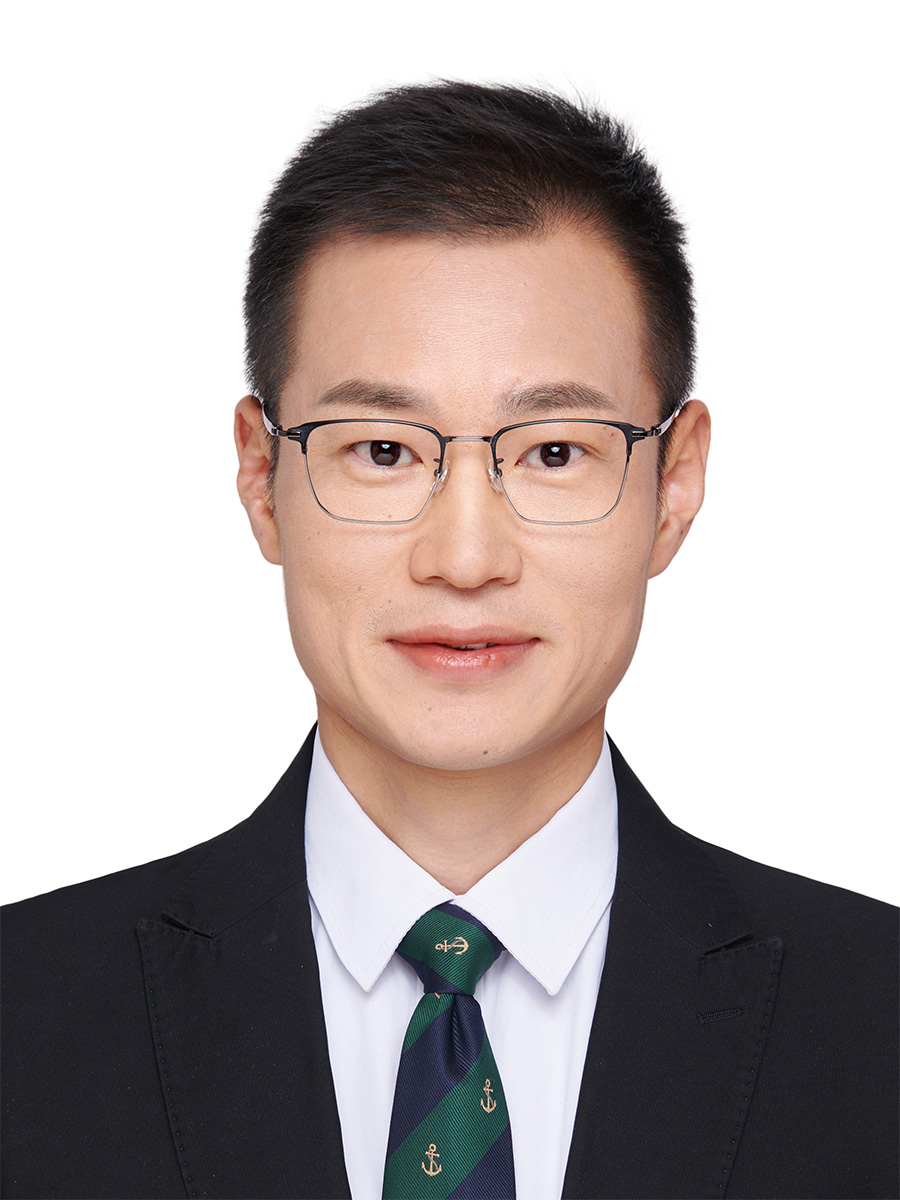
Guan Gui (IEEE Fellow)
Professor, Nanjing University of Posts and Telecommunications, China
Title: Intelligent Wireless Sensing for Human Activity Recognition: Brief Survey, Potential Challenges, and Research Directions
Time: 10:30am - 11:00am, Monday, February 16, 2026
Abstract:
With the rapid advancement of smart cities, smart homes, and healthcare applications, accurately perceiving and recognizing human activities has become a fundamental capability of intelligent systems. Compared with vision-based and wearable sensor-based methods, Wi-Fi Channel State Information (CSI) offers contactless sensing, strong privacy protection, and wide deployment, making it an ideal platform for human activity recognition (HAR). However, CSI-based sensing still faces critical challenges such as poor cross-subject generalization, limited robustness in complex scenarios, and difficulty in lightweight deployment. This report presents a suite of deep learning approaches, including cross-subject transfer learning, cross-scenario incremental learning, attention-enhanced CNN-ABLSTM architectures, and lightweight multi-label recognition models tailored for IoT applications. These methods effectively improve recognition performance while significantly reducing model complexity and computational cost. Finally, the future direction is discussed, highlighting the integration of large language models (LLMs) and multimodal fusion to enhance the intelligence, interpretability, and generalization of wireless HAR systems, paving the way for practical and efficient deployment in real-world scenarios.
Biography:
Guan Gui (Fellow, IEEE) received his Ph.D. degree from the University of Electronic Science and Technology of China, Chengdu, China, in 2012. From 2009 to 2014, he was a research assistant and postdoctoral research fellow at Tohoku University, Japan. From 2014 to 2015, he was an Assistant Professor at Akita Prefectural University in Japan. Since 2015, he has been a Professor at Nanjing University of Posts and Telecommunications, China. His research focuses on intelligent sensing and recognition, intelligent signal processing, and physical layer security. Dr. Gui has authored over 300 IEEE journal and conference papers and received several best paper awards, including at ICC 2017, ICC 2014, and VTC 2014-Spring. He is a fellow of IEEE, IET, and AAIA, and he is recognized for his contributions to intelligent signal analysis and wireless resource optimization. Among his accolades, he received the IEEE Communications Society Heinrich Hertz Award in 2021 and was named a Clarivate Analytics Highly Cited Researcher from 2021 to 2024. Dr. Gui is a Distinguished Lecturer for the IEEE Vehicular Technology Society (VTS) and the IEEE Communications Society (ComSoc). He is an editorial board member for several leading journals, including the IEEE Transactions on Information Forensics and Security, IEEE Internet of Things Journal, and IEEE Transactions on Vehicular Technology. Additionally, he serves as the Editor-in-Chief of KSII Transactions on Internet and Information Systems. He has also held prominent roles in international conferences, such as Executive Chair of IEEE ICCT 2023, Executive Chair of VTC 2021-Fall, and Vice Chair of WCNC 2021.
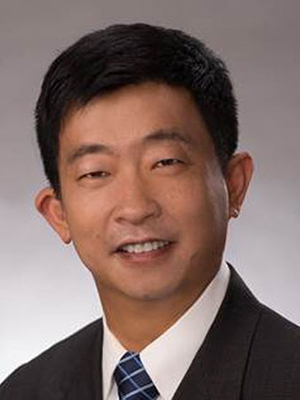
Zhu Han (IEEE/ACM/AAAS Fellow)
John and Rebecca Moores Professor, University of Houston, USA
Title: Integration Sensing and Communication for 6G: Waveform Design, Resource Allocation, Application and Prototype Demo
Time: 10:00am-10:30am, Monday, February 16, 2026
Abstract:
Integration of Sensing and Communication (ISAC) is a key use case in emerging 6G networks, aiming to enhance situational awareness and improve network efficiency. By simultaneously sensing the environment and transmitting data, ISAC enables advanced applications such as autonomous driving and smart cities. However, challenges remain in spectrum sharing, interference management, and real-time processing, requiring innovative solutions in signal design and resource allocation. In this talk, we first describe the motivation, history, waveforms and tradeoffs. Then we briefly explain some of our recent works supported by US National Science Foundation including Cross-domain Waveform Design, Multiuser Resource Allocation, RIS-ISAC: DISCO PLS Attack, High Speed Train and Optical ISAC. Finally, we show our prototype demo in IEEE ICCC 2024 and Milcom 2024, and then discuss the standardization and future work.
Biography:
Zhu Han received the B.S. degree in electronic engineering from Tsinghua University, in 1997, and the M.S. and Ph.D. degrees in electrical and computer engineering from the University of Maryland, College Park, in 1999 and 2003, respectively. From 2000 to 2002, he was an R&D Engineer of JDSU, Germantown, Maryland. From 2003 to 2006, he was a Research Associate at the University of Maryland. From 2006 to 2008, he was an assistant professor at Boise State University, Idaho. Currently, he is a John and Rebecca Moores Professor in the Electrical and Computer Engineering Department as well as the Computer Science Department at the University of Houston, Texas. Dr. Han is an NSF CAREER award recipient of 2010, and the winner of the 2021 IEEE Kiyo Tomiyasu Award (an IEEE Field Award). He has been an IEEE fellow since 2014, an AAAS fellow since 2020, and ACM fellow since 2024. He is an IEEE Distinguished Lecturer from 2015 to 2018, and an ACM Distinguished Speaker from 2022-2025.
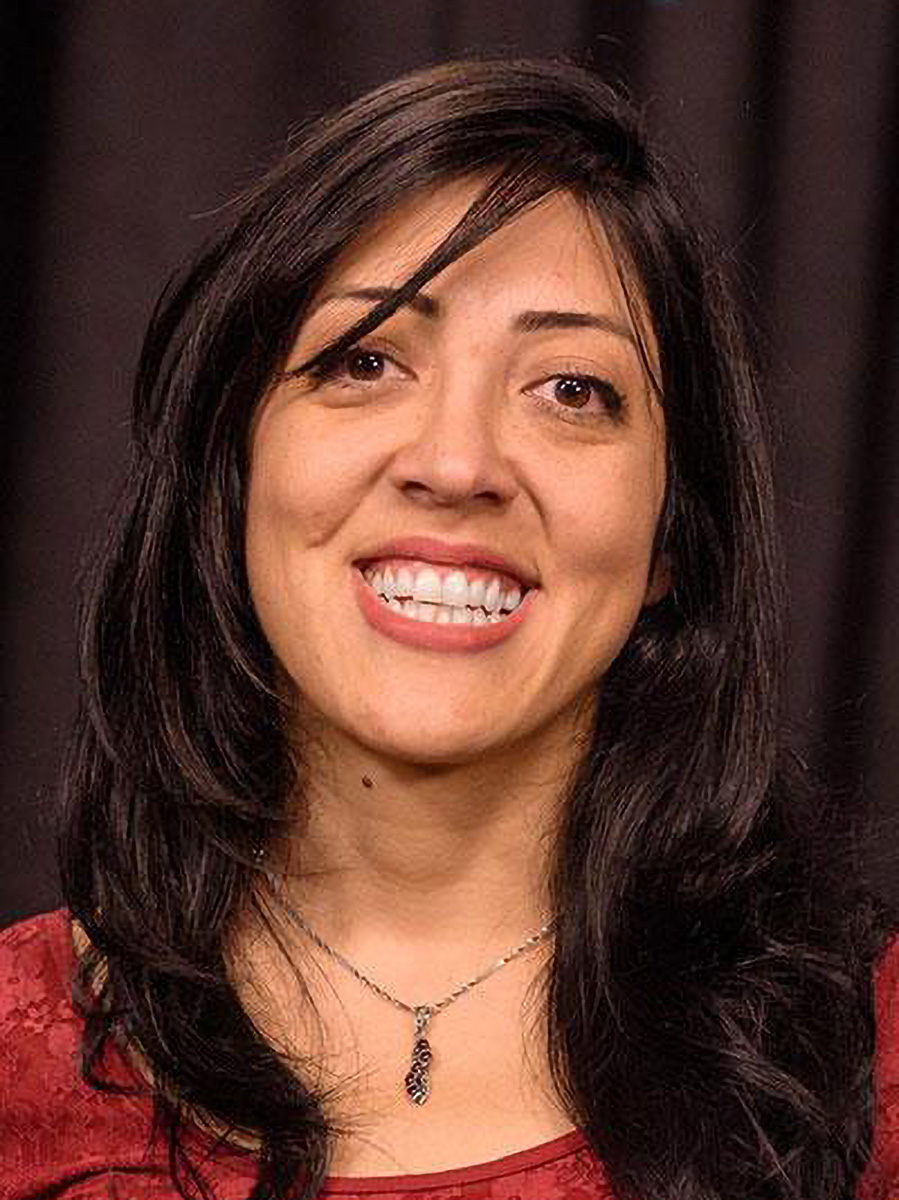
Tara Javidi (IEEE Fellow)
Professor, University of California, San Diego, USA
Title: Awareness at Scale via Network-enabled Active and Multi-modal Physical Attention
Time: 10:00am-10:30am, Wednesday, February 18, 2026
Abstract:
Beyond existing applications of AI, there is a critical need for artificial intelligence models and methodology to accurately and proactively interpret the physical world and assist us to monitor our ever-complex and large-scale industrial footprint on our planet. To achieve this, we need to simultaneously acquire data across large physical spaces AND actively interpret, in time, the diverse range and resolution of sensory inputs that capture data from the physical world. In this talk, I will first discusses how this can be achieved by an integrated approach to connected, embodied and generative AI. Furthermore, I will discuss how advances in integrated communication and computing platforms, including ubiquitous connectivity, integrated sensing and communication, and AI-enabled embedded devices, bring this to reality at scale.
Biography:
Tara Javidi studied electrical engineering and computer science at the University of Michigan, Ann Arbor. She joined the University of California, San Diego, in 2005 where she is currently the inaugural holder of Jerzy (George) Lewak Chair and a Professor of Electrical and Computer Engineering with a joint appointment in Halicioglu Data Science Institute. At UCSD, she is o a founding co-director of the UCSD Center for Machine-Intelligence, Computing and Security, and a coPI of the National Science Foundation (NSF) Institute for Learning-enabled Optimization at Scale (TILOS).
Tara Javidi is a Fellow of IEEE where she previously served as the Editor in Chief of IEEE Journal on Selected Areas in Information Theory (2022/23/24), the Board of Governors of the IEEE Information Theory Society (elected 2018/19/20-2021/22/23, ex-officio 2024), a Distinguished Lecturer of the IEEE Information Theory Society (2017/18) as well as a Distinguished Lecturer of the IEEE Communications Society (2019/2020). She and her former PhD students are recipients of the 2021 IEEE Communications Society & Information Theory Society Joint Paper. She has received numerous awards recognizing her research, educational, DEI and leadership contributions. Tara is also the founding CSO/CTO of KavAI, a startup that develops an adaptive and integrated sensing and AI platform to scale intelligence to the industrial and large-scale operations that most need it.
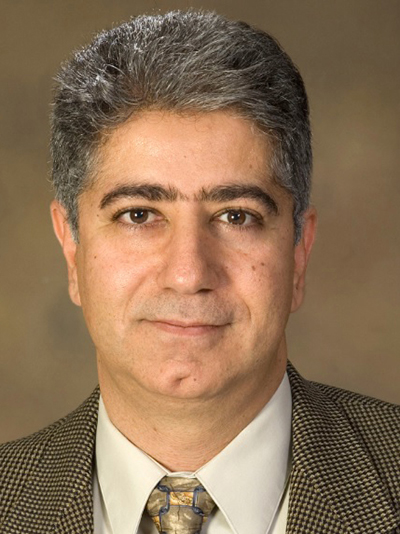
Marwan Krunz (IEEE Fellow)
Kenneth VonBehren Endowed Professor, The University of Arizona, USA.
Title: Transformer-based DNN for Identification of RFI Sources in Astronomical Observations
Time: 10:00am-10:30am, Thursday, February 19, 2026
Abstract:
Radio astronomical observations provide valuable insights into celestial phenomena such as solar systems, cosmic galaxies, and other astrophysical sources. Using highly sensitive telescopes, these observations typically capture faint cosmic
signals at extremely low power levels. However, such sensitivity
also makes astronomical data susceptible to contamination by
unwanted man-made signals, collectively known as Radio Frequency Interference (RFI). RFI commonly arises from satellite
transmissions, cellular networks, automotive radar systems, and
others. Identifying the sources of RFI is therefore critical for
the radio astronomy community, as it can guide the development
of interference mitigation techniques and passive/active shared
spectrum policies. In this paper, we utilize RFI observations from
the single-dish Green Bank Telescope (GBT) in Green Bank,
West Virginia. Specifically, we utilize measurements collected
between 2020 and 2022 over the L, S, and C frequency bands.
Sub-bands within these bands are labeled using the GBT-RFI-GUI tool, which annotates frequency segments according to
Federal Communications Commission (FCC) allocation tables.
For each of the three bands, we train a Transformer-based neural
network to classify the RFI sources into the appropriate sub-bands. Our classifier achieves inference accuracy of 84%, 87%,
and 93% for the L, S, and C bands, respectively. Furthermore,
to enhance the classifier's performance, we design and train
Generative Adversarial Networks (GANs) and use these GANs
to synthesize additional data samples for sub-bands with scarce
training data. We observe that when the classifier is trained
on an augmented dataset that combines both synthetic and real
samples, its inferency accuracy is improved to 91%, 98%, and
97% for L, S, and C bands, respectively.
Biography:
Marwan Krunz is a Regents Professor at the University of Arizona. He holds the Kenneth VonBehren Endowed Professorship in ECE and is also a professor of computer science. He directs the Broadband Wireless Access and Applications Center (BWAC), a multi-university NSF/industry center that focuses on next-generation wireless technologies. He also holds a courtesy appointment as a professor at University Technology Sydney. Previously, he served as the site director for the Connection One center. Dr. Krunz’s research is on resource management, network protocols, and security for wireless systems. He has published more than 300 journal articles and peer-reviewed conference papers, and is a named inventor on 12 patents. His latest h-index is 60. He is an IEEE Fellow, an Arizona Engineering Faculty Fellow, and an IEEE Communications Society Distinguished Lecturer (2013-2015). He received the NSF CAREER award. He served as the Editor-in-Chief for the IEEE Transactions on Mobile Computing. He also served as editor for numerous IEEE journals. He was the TPC chair for INFOCOM’04, SECON’05, WoWMoM’06, and Hot Interconnects 9. He was the general vice-chair for WiOpt 2016 and general co-chair for WiSec’12. Dr. Krunz served as chief scientist for two startup companies that focus on 5G and beyond systems and machine learning for wireless communications.

Zhu Li
Professor, University of Missouri, Kansas City, USA
Title: Scalable and Dynamic Gaussian Splatting Coding
Time: 1:30pm-2:00pm, Monday, February 16, 2026
Abstract:
Gaussian Splatting (GS) is a new explicit 3D content capture and rendering technique that allows for a trainable implicit representation of color and geometry attributes. This combination offers advantages in rendering quality and speed, vis-a-vis neural implicit representations like NERF. However the data volume created by GS is still too large for efficient storage and streaming applications. In this talk, we present our recent work with Qualcomm on low complexity and high-efficiency GS coding solutions, especially the dynamic GS coding with effective intra and inter predictions. The solution is based on an effective inter bilateral filter and nearest neighbor prediction scheme, that is signalled efficiently as a prediction index, combined with a VQ based residual coding. The solution offers very high R-D efficiency while also maintains a very low complexity and suitable for MPEG DASH like streaming solutions.
Biography:
Zhu Li is a professor with the Dept of Computer Science & Electrical Engineering, University of Missouri, Kansas City(UMKC), and the director of NSF I/UCRC Center for Big Learning (CBL) at UMKC. He received his PhD in Electrical & Computer Engineering from Northwestern University in 2004. He was the AFRL summer faculty at the UAV Research Center, US Air Force Academy (USAFA), 2016-18, 2020-24. He was Senior Staff Researcher with the Samsung Research America's Multimedia Standards Research Lab in Richardson, TX, 2012-2015, Senior Staff Researcher with FutureWei (Huawei) Technology's Media Lab in Bridgewater, NJ, 2010~2012, Assistant Professor with the Dept of Computing, the Hong Kong Polytechnic University from 2008 to 2010, and a Principal Staff Research Engineer with the Multimedia Research Lab (MRL), Motorola Labs, from 2000 to 2008. His research interests include point cloud and light field compression, graph signal processing and deep learning in the next gen visual compression, remote sensing, image processing and understanding. He has 70+ issued or pending patents, 200+ publications in book chapters, journals, and conferences in these areas. He is an IEEE senior member, Associate Editor-in-Chief (2020~23) and Senior Area Editor (2024~) for IEEE Trans on Circuits & System for Video Tech, Associate Editor for IEEE Trans on Image Processing(2020~), IEEE Trans.on Multimedia (2015-18), IEEE Trans on Circuits & System for Video Technology(2016-19). He was Program and General Co-Chairs for IEEE VCIP 2017, 2022, MMSP 2023,2024, and ICME 2-19, 2023. His team won the AFRL sponsored Perception Beyond Visual Spectrum (PBVS) grand challenge at CVPR 2023 on SAR image recognition, and thermo image super-resolution in 2024. He also received the Best Paper Award at IEEE Int'l Conf on Multimedia & Expo (ICME), Toronto, 2006, and IEEE Int'l Conf on Image Processing (ICIP), San Antonio, 2007.
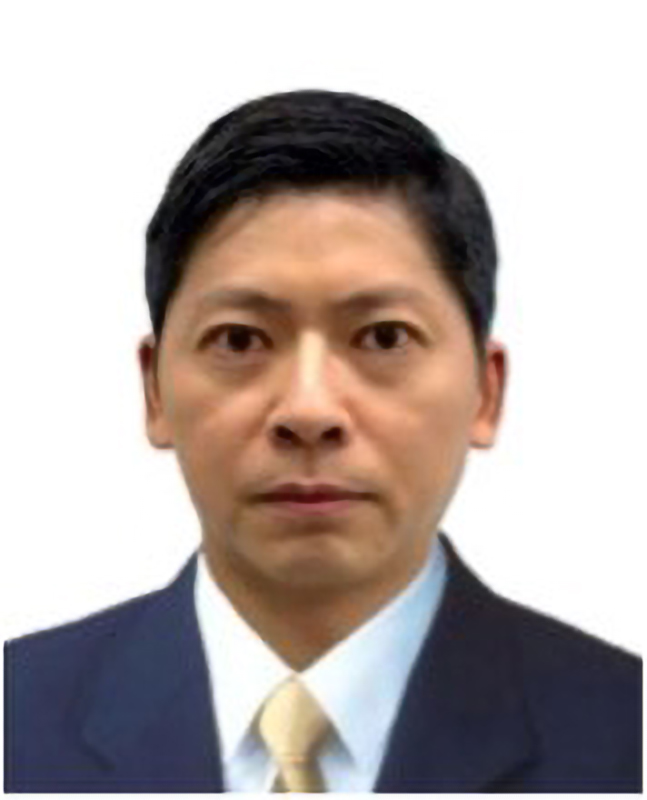
Jianquan Liu
Director & Senior Principal Researcher, NEC Corporation, Japan
Title: Engaging Video Analytics and Generative AI
Time: 3:00pm-3:30pm, Monday, February 16, 2026
Abstract:
In this talk, Dr. Jianquan Liu presents an industry perspective on the convergence of video analytics and generative AI. The talk begins with an overview of video analytics, covering advancements in action recognition, object tracking, human-object interactions, scene recognition, and behavioral pattern analysis. These technologies enable efficient extraction, retrieval, visualization, and summarization of video content. The presentation then explores the impact of generative AI, particularly large language models (LLMs), on video understanding. It discusses how LLMs enhance object recognition, semantic segmentation, action recognition, captioning, visual question answering, and storytelling. Dr. Liu provides industry case studies to illustrate these applications while also addressing limitations and challenges. The talk introduces NEC's narrative summarization framework, designed to tackle key challenges in video analytics. It concludes with a demonstration of "Video with LLM" technology, showcasing its practical application in automating traffic accident investigation reports. This presentation offers valuable insights into the current state and future potential of AI-driven video intelligence, bridging the gap between technical innovation and practical application for both industry professionals and general audiences.
Biography:
Jianquan Liu is currently a Director and Senior Principal Researcher at NEC Corporation, working on the topics of multimedia data processing. He is selected as IEEE SPS 2026 Distinguished Industry Speaker, and also a Visiting Professor at Nagoya University and an Adjunct Professor at Hosei University, Japan. Prior to NEC, he was with Tencent Inc. from 2005 to 2006. He has published 80+ papers at major international/domestic conferences and journals and filed 100+ PCT patents. He also successfully transformed these technological contributions into commercial products in the industry. For his industry contributions, Dr. Liu has received the Japan Minister of Economy, Trade and Industry (METI) Award as the highest honor for industry corporations at the 38th Advanced Technology Award in 2025, the 25th Anniversary Special Award at CEATEC AWARD 2024, the APSIPA 2024 Industrial Distinguished Leader, the DBSJ Young Researcher’s Achievement and Contribution Award 2024, the IEICE Achievement Award 2023, the ITE Niwa & Takayanagi Achievement Award 2023, the 69th Electrical Science and Engineering Promotion Award, and the Minister of Education, Culture, Sports, Science and Technology (MEXT) Award in 2021, the KANTO Invention and Innovation Award 2021, the IPSJ Research and Engineering Award 2020 and the IPSJ Industrial Achievement Award 2018. Currently, Dr. Liu is/was serving as a Member-at-Large of IEEE SPS Industry Board (2025-2026), the Industry Co-chair of IEEE ICIP 2023, 2025 and ACM MM 2023, 2024, 2025; the General Co-chair of IEEE MIPR 2021; the PC Co-chair of IEEE IRI 2022, ICME 2020, AIVR 2019, BigMM 2019, ISM 2018, ICSC 2018, etc. He is a senior member of ACM, IEEE, IEICE, and IPSJ, and a member of ITE, APSIPA and DBSJ, and an associate editor of IEEE TMM (2021-2024), ACM TOMM (2022-), EURASIP JIVP (2023-), IEEE MultiMedia Magazine (2019-2022), ITE Transaction on Media Technology and Applications (2021-), APSIPA Transactions on Signal and Information Processing (2022-), and the Journal of Information Processing (2017-2021). Dr. Liu received the M.E. and Ph.D. degrees from the University of Tsukuba, Japan.

Lingjia Liu (IEEE Fellow)
Andrew J. Young Professor, Virginia Tech, USA
Title: Learning at the Speed of Wireless: Online Real-Time Machine Learning for MIMO Detection in NextG
Time: 10:30am-11:00am, Wednesday, February 18, 2026
Abstract:
Integration of artificial intelligence (AI) and machine learning (ML) into the air interface has been envisioned as a key step towards AI-native next-generation (NextG) cellular networks. AI/ML algorithms have revolutionized image and natural language processing, but if they are to revolutionize NextG air interface they need to learn at the speed of wireless. This requires fundamental innovation by developing efficient learning algorithms that can conduct online real-time learning with extremely limited over the air (OTA) training signals on a sub-millisecond slot-basis.
To achieve efficient learning for online real-time processing, we argue that neural networks only need to “learn” things we do not know while we should “tell” neural networks about things we do know. Specifically, we will show that 1) a recurrent neural network (RNN) with some of the NN weights “randomly generated” can achieve online real-time learning for MIMO detection with extremely limited OTA reference signals; 2) a fundamental understanding on why “randomly generated” RNNs can work; and 3) how domain knowledge can be utilized to “configure” these NN weights to further improve MIMO detection. Finally, we will evaluate the introduced online real-time learning-based MIMO detection using 3GPP evaluation methodologies and show the software defined radio (SDR) prototype to demonstrate the practical relevance of the introduced approaches.
Biography:
Lingjia Liu is a Professor and Bradley Senior Faculty in the Bradley Department of Electrical and Computer Engineering at Virginia Tech and the Co-Director of Wireless@Virginia Tech. He works in the general area of wireless communication systems and networks, communication theory, signal processing and information theory with a focus on identifying efficient machine learning tools for future generation (FutureG) wireless networks.
Lingjia Liu received the B.S. degree with the highest honor in the Electronic Engineering Department at Shanghai Jiao Tong University and the PhD degree in the Electrical and Computer Engineering Department at Texas A&M University. Prior to joining the academia, he spent more than 3 years in Samsung Research America as a technical leader and a leading 3GPP RAN1 standard delegate on downlink MIMO, Coordinated Multipoint (CoMP) transmission/reception, device-to-device (D2D) communications, and Heterogeneous Networks (HetNets).
Lingjia Liu is an IEEE Fellow for his work on multi-cell multi-user MIMO and intelligent spectrum access. He is an IEEE Distinguished Lecturer with 200+ publications including 3 book chapters, 100+ journal publications, 6 editorials, and 100+ conference papers. He has 20+ granted U.S. patents many of which are regarded as essential intellectual property rights (IPRs) in major 4G standards. His research received many recognitions including 8 Best Paper Awards. Currently, he is an Elected Member (representing academia) on the Executive Committee of the National Spectrum Consortium.
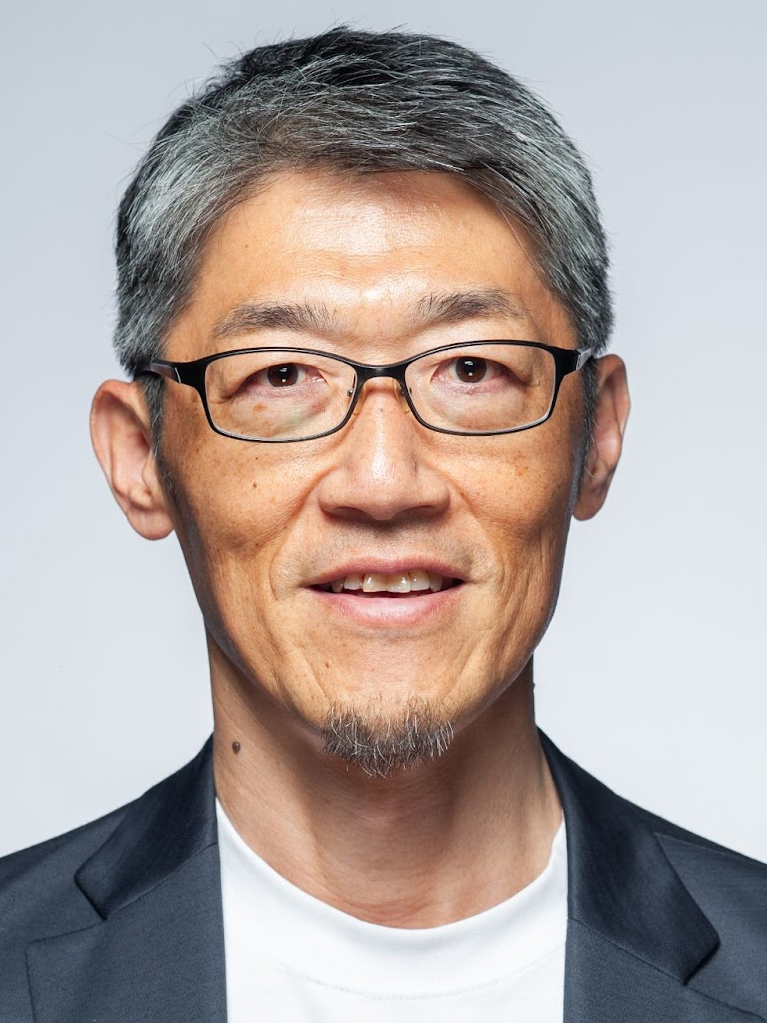
Tomoaki Ohtsuki (IEICE/AAIA Fellow)
Professor, Keio University, Japan
Title: Semantic Communications Based on Generative AI
Time: 4:30pm-5:00pm, Monday, February 16, 2026
Abstract:
Semantic communication is a new communication paradigm that aims to efficiently convey the "meaning" of information, unlike traditional digital communication. The concept was first proposed by Weaver in 1949 but was long neglected due to technological limitations. In recent years, however, advances in AI technology have led to the practical application of the necessary basic technology, and research is progressing rapidly. Semantic communication is also attracting attention as a promising technology for intelligent applications after 6G. This paper outlines the basic concepts of semantic communication, the technological progress through Generative AI, application examples, and future challenges. This keynote further presents a cutting-edge semantic communication framework tailored for vehicular communication scenarios, where key information is extracted from camera data and transmitted among vehicles and road infrastructure. The keynote will conclude by outlining open challenges and research directions.
Biography:
Tomoaki Otsuki (Ohtsuki) is a professor at Keio University. Prof. Ohtsuki is the recipient of the 1997 Inoue Research Award for Young Scientist, the 1997 Hiroshi Ando Memorial Young Engineering Award, the 2000 Ericsson Young Scientist Award, the 2002 Funai Information and Science Award for Young Scientist, the IEEE 1st Asia-Pacific Young Researcher Award 2001, the 5th International Communication Foundation (ICF) Research Award, the 2011 IEEE SPCE Outstanding Service Award, the 27th TELECOM System Technology Award, the ETRI Journal's 2012 Best Reviewer Award, 9th International Conference on Communications and Networking in China 2014 (CHINACOM '14) Best Paper Award, 2020 Yagami Award, the 26th Asia-Pacific Conference on Communications (APCC2021) Best Paper Award, and the International Conference on Internet of Things, Communication and Intelligent Technology (IoTCIT) 2024 Best Paper Award, and the 2024 6th International Conference on Robotics, Intelligent Control and Artificial Intelligence (RICAI2024) Best Paper Award. He has published more than 295 journal papers and 540 international conference papers.He is currently an area editor for IEEE Transactions on Vehicular Technology and an editor for IEEE Communications Surveys and Tutorials. He has served as the IEEE Communications Society, Asia Pacific Board Director. He has served as general chair, symposium co-chair, and TPC co-chair of many conferences, including IEEE GLOBECOM and ICC. He was Vice President of the Communications Society of IEICE and a Distinguished Lecturer of IEEE. He is a Fellow of IEICE, a Fellow of AAIA, a Senior Member of IEEE, and a member of the Engineering Academy of Japan.
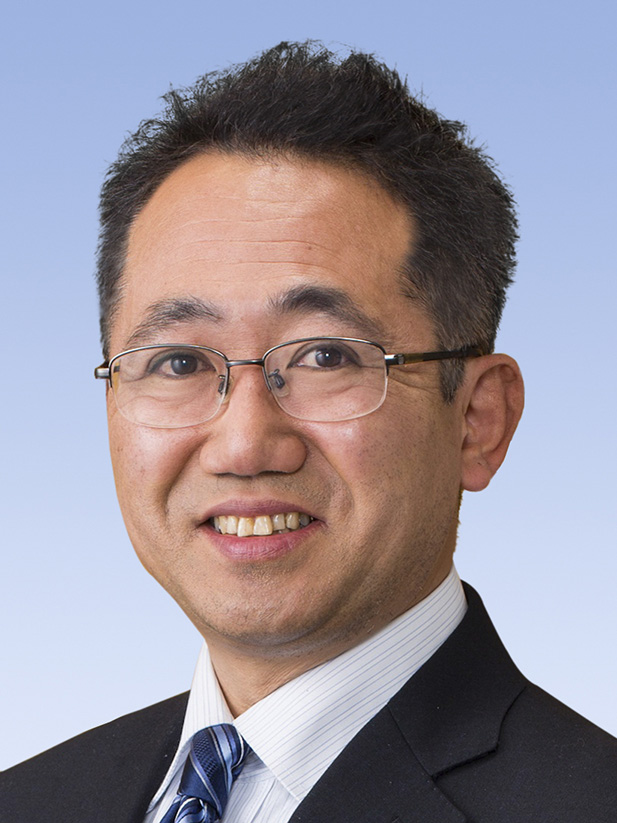
Eiji Oki (IEEE/IEICE Fellow)
Professor, Kyoto University, Japan
Title: Towards Secure and Flexible Optical Networks: A Tutorial on Quantum-Classical Coexistence
Time: 10:00am-10:30am, Wednesday, February 18, 2026
Abstract:
A growing trend in optical transport systems is the integration of quantum key distribution (QKD) into flexible optical networks (FONs) to meet increasing bandwidth demands and enhance security. Design, resource management, and scalability concerns arise from this combination. Several physical layer impairments, including nonlinear effects, crosstalk, and Raman scattering, occur due to the coexistence of quantum, companion, and data channels in shared optical resources, which might compromise secure key exchange and reduce quantum fidelity. These challenges need to be addressed with ultimate importance for future high-capacity secure optical transport systems. This paper discusses these issues. First, we start with the basic foundation of FONs and quantum communication. Then, our discussion focuses on physical-layer impairments and their modeling. The hybrid architecture that allows the coexistence of quantum, companion, and data channels is presented. Next, we discuss integrated resource allocation strategies considering crosstalk-avoided and crosstalk-aware approaches for the data channels, along with the coexistence of quantum and companion channels. We provide numerical results considering both crosstalk-avoided and crosstalk-aware approaches. Finally, we discuss open challenges and future directions for integrated QKD-enabled FONs.
Biography:
Eiji Oki is a Professor at Kyoto University, Kyoto, Japan. He received the B.E. and M.E. degrees in instrumentation engineering and a Ph.D. in electrical engineering from Keio University, Yokohama, Japan, in 1991, 1993, and 1999, respectively. He was with Nippon Telegraph and Telephone Corporation (NTT) Laboratories, Tokyo, from 1993 to 2008, and The University of Electro-Communications, Tokyo, from 2008 to 2017. From 2000 to 2001, he was a Visiting Scholar at Polytechnic University, Brooklyn, New York. His research interests include routing, switching, protocols, optimization, and traffic engineering in communication and information networks. He is an IEEE Communications Society Distinguished Lecturer from 2024 to 2025.
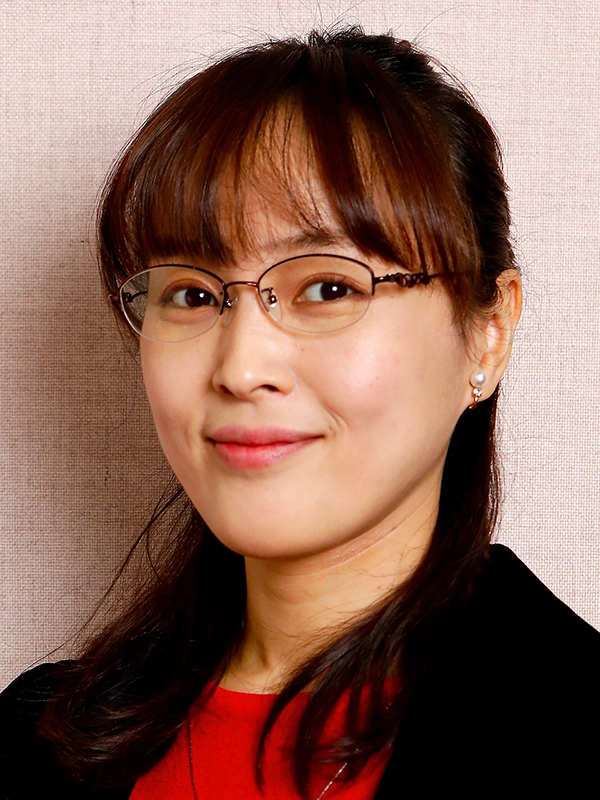
Kaoru Ota (EAJ Fellow)
Professor, Professor, Tohoku University / Muroran Institute of Technology, Japan
Title: Toward Resilient Connectivity with Non-Terrestrial Networks in 6G
Time: 10:30am-121:00am, Monday, February 16, 2026
Abstract:
Non-Terrestrial Networks (NTN) are expected to play an important role in future 6G systems. This talk discusses NTN from a networking perspective with a focus on resilient connectivity. I introduce drone-based networks as a flexible and rapidly deployable NTN use case, particularly for disaster scenarios. Based on our long-term research project, I present experimental insights from drone communication systems and highlight how semantic communication can improve robustness and efficiency under constrained NTN conditions. The talk concludes with future research directions and open challenges toward resilient 6G networks.
Biography:
Kaoru Ota received her B.S. and Ph.D. degrees from the University of Aizu, Japan, in 2006 and 2012, respectively, and her M.S. degree from Oklahoma State University, USA, in 2008. She is a Distinguished Professor at the Graduate School of Information Sciences, Tohoku University, Japan, and a Professor at the Center for Computer Science (CCS), Muroran Institute of Technology, Japan, where she served as the founding director. She has been recognized as a Highly Cited Researcher by Clarivate Analytics in 2019, 2021, and 2022, a Fellow of the Engineering Academy of Japan (EAJ) in 2022, and a Fellow of the Asia-Pacific Artificial Intelligence Association (AAIA) in 2025.
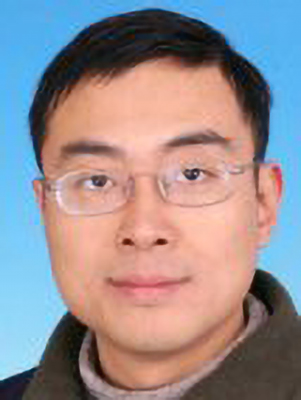
Jianping Pan (IEEE Fellow)
Professor, University of Victoria, British Columbia, Canada
Title: Measuring Low-Earth Orbit Satellite Networks
Time: 10:30pm-11:00am, Monday, February 16, 2026
Abstract:
Starlink and alike have attracted a lot of attention
recently, however, the inner workings of these low-earth-orbit (LEO)
satellite networks are still largely unknown. This talk presents an
ongoing measurement campaign focusing on Starlink and OneWeb,
including its satellite access networks, gateway and point-of-presence
structures, and backbone and Internet connections, revealing insights
applicable to other LEO satellite providers. It also highlights the
challenges and research opportunities of the integrated
space-air-ground-aqua network envisioned by 6G mobile communication
systems and calls for a concerted community effort from practical and
experimentation aspects.
Biography:
Dr. Jianping Pan is a professor of computer science at the
University of Victoria, British Columbia, Canada. He received his
Bachelor's and PhD degrees in computer science from Southeast
University, Nanjing, Jiangsu, China, and he did his postdoctoral
research at the University of Waterloo, Ontario, Canada. He also
worked at Fujitsu Labs and NTT Labs. His area of specialization is
computer networks and distributed systems, and his current research
interests include protocols for advanced networking, performance
analysis of networked systems, and applied network security. He
received IEICE Best Paper Award in 2009, Telecommunications
Advancement Foundation's Telesys Award in 2010, WCSP 2011 Best Paper
Award, IEEE Globecom 2011 Best Paper Award, JSPS Invitation Fellowship
in 2012, IEEE ICC 2013 Best Paper Award, NSERC DAS Award in 2016, IEEE
ICDCS 2021 Best Poster Award and DND/NSERC DGS Award in 2021, and has
been serving on the technical program committees of major computer
communications and networking conferences including IEEE INFOCOM, ICC,
Globecom, WCNC and CCNC. He was the Ad Hoc and Sensor Networking
Symposium Co-Chair of IEEE Globecom 2012 and an Associate Editor of
IEEE Transactions on Vehicular Technology. He is a senior member of
the ACM and a Fellow of the IEEE.

Jian Ren (IEEE Fellow)
Professor, Michigan State University, USA
Title: A Practical Design Approach to Securing ML Classifications
Time: 11:00am-11:30am, Tuesday, February 17, 2026
Abstract:
Adversarial Examples (AE) are a constant threat to machine learning-enabled technology, yet their effectiveness in realistic environments is limited by benign perturbations introduced by environmental factors such as sensor variation and channel effects. In this work, we investigate the possibility of incorporating channel knowledge into generative adversarial network-based methods to produce channel-resistant perturbations. We adapt the AdvGAN framework with a channel-in-the-loop fine-tuning procedure and evaluate its performance against a well-trained classifier under additive Gaussian white noise and luminosity shifts.
Our experiments show that while fine-tuning yields modest gains under strong AWGN, it provides little benefit under weaker noise or luminosity shifts.
We further present a framework for quantitatively analyzing classification robustness and decision boundary characteristics in neural networks. We introduce two key metrics: robustness, measuring the tolerable range of sample distortion before misclassification, and separability, quantifying the distance between correctly and incorrectly classified samples near decision boundaries. We demonstrate a fundamental trade-off between separability and robustness: improving one metric necessarily degrades the other.
We propose a novel boundary exploration algorithm that efficiently identifies inside and outside borderline samples with minimal perceptual distortion. Our findings provide quantitative insights into the inherent vulnerabilities of classification systems and establish a foundation for developing more robust defenses against adversarial attacks.
Biography:
Jian Ren is a Professor in the Department of Electrical and Computer Engineering at Michigan State University. Before joining MSU, Dr. Ren served as a Lead Security Architect at Avaya Labs (2000–2002), Bell Labs (1998–2000), and Racal Datacom (1997–1998). He received his Ph.D. degree in Electrical Engineering from Xidian University, China. Dr. Ren’s research interests include cybersecurity and privacy, AI security, distributed data sharing and storage, decentralized data management, secure cloud computing, big data security, cost-aware privacy-preserving communications, and blockchain-based e-voting.
Dr. Ren’s research has been supported by multiple sources, including the National Science Foundation, AFRL, the Semiconductor Research Corporation, MSU Technologies, and other industrial collaborators. He is a recipient of the National Science Foundation (NSF) CAREER Award (2009).
Prof. Ren has served as TPC Chair or Co-Chair for multiple conferences and has been the Executive Chair of ICNC since 2019. He has been invited as a Keynote Speaker and Distinguished Speaker at several conferences. Dr. Ren is currently serving as Editor-in-Chief of IET Communications. Previously, he served as an Associate Editor for the IEEE Transactions on Mobile Computing, the IEEE Internet of Things Journal, and the ACM Transactions on Sensor Networks. Dr. Ren is an IEEE Fellow and also a Distinguished Lecturer of the IEEE Vehicular Technology Society (VTS).
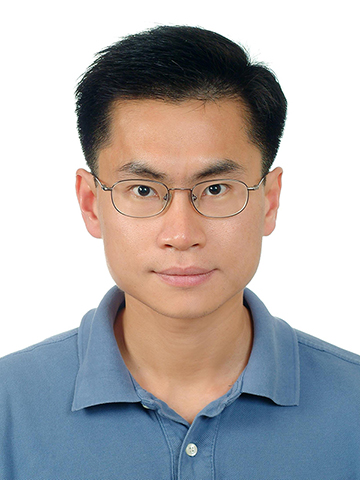
Guan-Ming Su
Director of Research, Dolby Laboratories, USA
Title: Towards Advanced Spatial-Temporal Gaussian Splatting: Multi-Modality Representation, High-Efficient Streamable Compression, and Semantics-/Physics-Aware Rendering
Time: 10:30am-11:00am, Thursday, February 19, 2026
Abstract:
Gaussian Splatting has become the most promising volumetric video representation in the past one year. Lots of research efforts have been made in many perspectives for better spatial-temporal audio-visual reconstruction and more efficient deployment in the real-world scenario. In this talk, we will first introduce the fundamental representation of Gaussian Splatting, including attributes, construction, and rendering. Then, we will present the advanced development of Gaussian Splatting along the end-to-end ecosystem from content creation, content delivery, and content consumption. On the content creation stage, to enrich the multi-modal experience, learned audio and semantics attributes from foundation models, such as CLIP, DINO, etc., are embedded into the Gaussian Splatting primitives to enable the joint audio-visual-semantics representation. On the content delivery stage, instead of explicitly coding dozens of attributes per Gaussian, an implicit method using tri-plane with MLP to leverage the conventional 2D video codec to reach high photorealistic quality and streamable bit rate is discussed. On the content consumption stage, language and semantics guided methods are presented to enable interactive 3D scene navigation and efficient physics-aware multi-modal rendering. At the end of this talk, we will present the latest international standardization efforts and highlight future research trends.
Biography:
Guan-Ming Su received the Ph.D. degree from the University of Maryland, College Park. He is currently the Director of Research with the Dolby Laboratories, Sunnyvale, CA, USA. He is the inventor of more than 220 U.S./international patents and pending applications. He is one of the recipients of 2020 (72nd) Technology and Engineering Emmy Award and 2021 (73rd) Engineering Emmy Award Philo T. Farnsworth Award for the contribution to high dynamic range (HDR) and wide color gamut (WCG) video as Dolby Vision format. He received 2025 University of Maryland ECE Distinguished Alumni Award. His co-authored paper won the best industry paper award in IEEE ICIP 2025. He served in multiple IEEE international conferences, such as the TPC Co-Chair in ICME 2021, the Industry Innovation Forum Chair in ICIP 2023 and 2025, and the General Co-Chair in MIPR 2024 and 2025. He served as a VP for industrial relations and development in APSIPA, from 2018 to 2019. He has been serving as the Vice Chair for Conference in IEEE Technical Committee on Multimedia Computing (TCMC), since 2021. He served as an Associate Editor for Asia Pacific Signal and Information Processing Association (APSIPA) Transactions on Signal and Information Processing, IEEE MultiMedia Magazine, and now IEEE Transactions on Circuits and Systems for Video Technology.
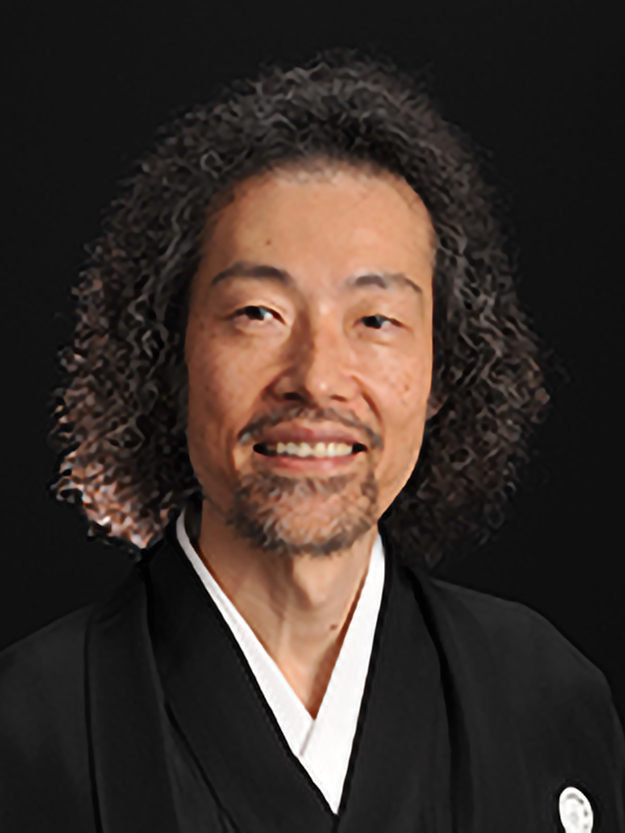
Akihiko K. Sugiyama (IEEE/IEICE Fellow)
Damas.cus Corporation/Tokyo Metropolitan University
Title: Developing a Better Solution with Research Logic Triangles and the Toyota Production System
Time: 5:30pm-6:00pm, Monday, February 16, 2026
Abstract:
This talk presents how to develop a better solution to a given problem with the help of research logic triangles and the Toyota production system. Not simply a good solution but a better solution is of utmost importance in the highly competitive situations like industry. The principle behind a problem-solution pair, which often resides behind a curtain, is a key to success. The method in this talk originates from a logic-building process and develops with the help of a widely known principle in production control. Technology logic triangles are first applied to clarify and refine the problem-solution relationship. The Ohno Doctrine of the Toyota Production System is then applied to the refined problem to unveil the general principle behind the problem-solution pair, which often leads to a better solution. An example in semiconductor technology is presented to show how this technique is applied to a real problem.
Biography:
40+ years of experience developing telecommunications, speech, and audio signal processing systems for consumer and network system products. In addition to proven record of technology adoption in products and international standards as well as publication and granted patents, marketing and sales experience to develop over 300 new contacts in the world in two years and proof-of-concept (PoC) evaluations with world-leading companies for technical licensing are unique as a research engineer.
Once representing Japan for ISO/IEC MPEG Audio standardization including an Interim Chair of the Audio Subgroup at the Angra dos Reis Meeting in Brazil, experiences extend to ITU and 3GPP standardizations as a delegate. Established a bridging career between industry and academia through 25+-year teaching experience at universities and supervision of 75 internship students. Delivered 243 invited talks in 109 cities in 32 countries, and received 25 awards including the 2024 Industry Innovation Award by IEEE Signal Processing Society. The sole inventor or a co-inventor of 273 registered patents in Japan and overseas. Fellow of IEEE as well as Honorary Member and Fellow of IEICE. A Distinguished Lecturer for Signal Processing Society (2014-2015) and Consumer Electronics Society (2017-2018), and a Distinguished Industry Speaker for Signal Processing Society (2020-2021), IEEE. Recognized as a Renowned Distinguished Speaker (The Rock Star) in 2020 by Consumer Electronics Society, IEEE.
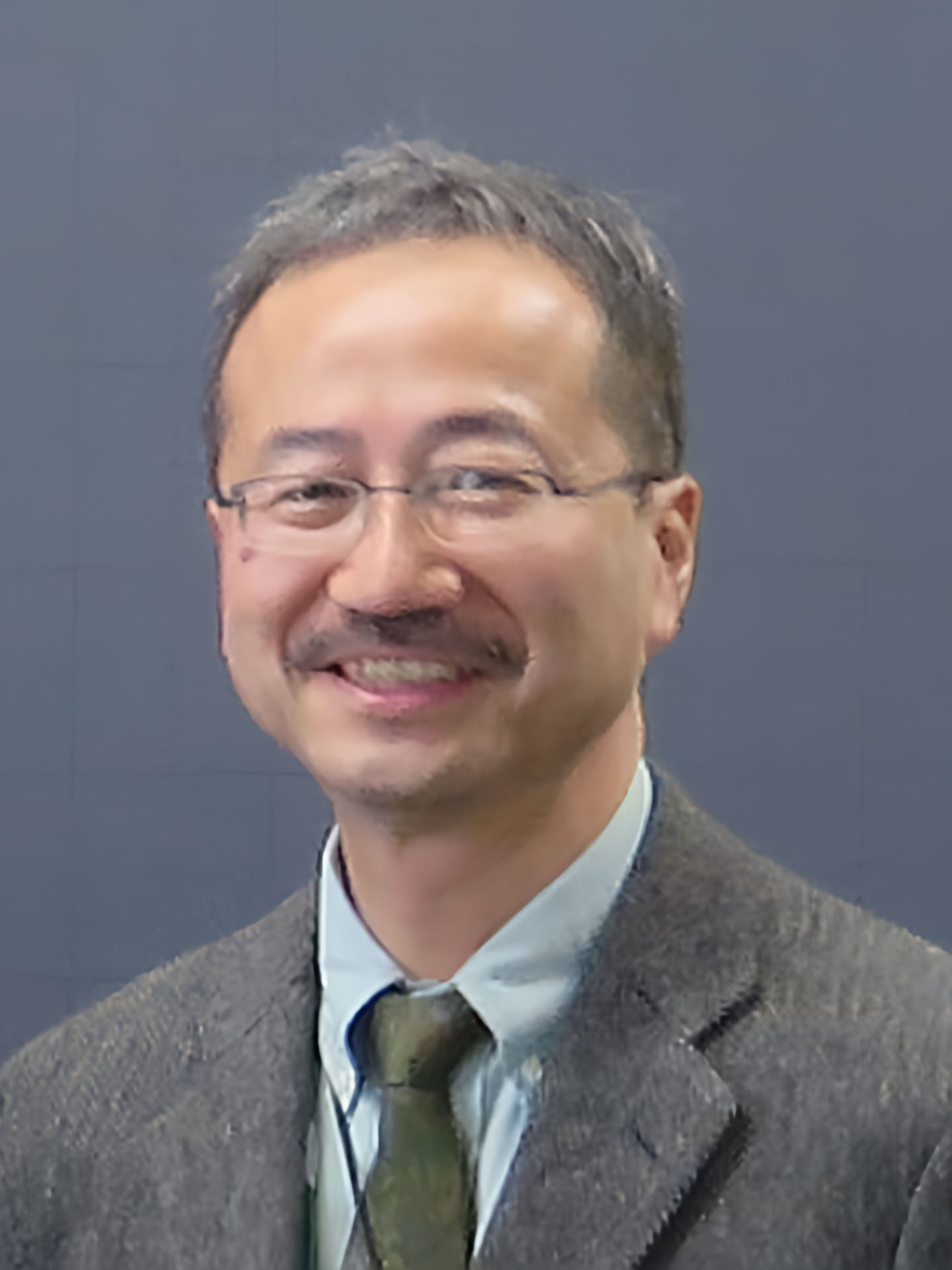
Kazuhiko Sumi (IEICE Fellow)
Professor, Aoyama Gakuin University, Japan
Title: Fake detection --- detecting images and videos where a person's face or gestures have been replaced
Time: 10:30am-11:00am, Wednesday, February 18, 2026
Abstract:
Over the past decade, talking head technology, which generates videos of
people speaking from text or audio data, has advanced rapidly. While
useful for improving efficiency in tasks like question-answering and
task assistance, it risks causing significant harm if misused for
political propaganda or cyberattacks. Consequently, fake detection
technology, which discriminate generated footage from real footage,has
gained attention. In this presentation, we will begin by surveying
detection methods for simple fake images created by swapping faces in
static portraits. We will then explore techniques for detecting fake
talking head videos generated using the latest diffusion models,
concluding with an introduction to our own research.
Biography:
Kazuhiko Sumi received his Bachelor’s and Master’s degrees in Electrical Engineering from Kyoto University in 1982 and 1984, respectively. From 1984 to 2003, he worked at Mitsubishi Electric Corporation, on the development of machine vision, robot vision, visual surveillance, and biometric personal identification systems. In 1997, he received his Doctor of Engineering degree from Kyoto University. Between 2003 and 2006, he served as a Visiting Professor in the Department of Informatics at the Graduate School of Kyoto University. From 2006 to 2010, he led the Sensing Information Processing Department at the Advanced R&D Center, Mitsubishi Electric Corporation. Since 2011, he has been a Professor in the Department of Integrated Information Technology at Aoyama Gakuin University, Japan. His current research interests include computer vision and security.

Lee Swindlehurst (IEEE Fellow)
Nicolaos G. and Sue Curtis Alexopoulos Presidential Chair, Distinguished Professor, University of California, Irvine, USA
Title: Deep Unfolding in Wireless Transceiver Design
Time: 10:00am-10:30am, Thursday, February 19, 2026
Abstract:
This talk discusses how the concept of deep unfolding can be applied to different problems in wireless communications transceiver design. Deep unfolding refers to a solution in which the layers of a neural network are used to implement successive realizations of an iterative optimization algorithm, such as gradient descent. Various parameters that are normally fixed in a conventional algorithm (e.g., step sizes, etc.) become hyperparameters in the deep unfolding implementation that can be tuned via backpropagation in order to improve the optimization performance. Examples will be given for data detection with low-resolution receivers and hybrid transmit precoding.
Biography:
Lee Swindlehurst received the B.S. (1985) and M.S. (1986) degrees in Electrical Engineering from Brigham Young University (BYU), and the PhD (1991) degree in Electrical Engineering from Stanford University. He was with the Department of Electrical and Computer Engineering at BYU from 1990-2007, where he served as Department Chair from 2003-06. During 1996-97, he held a joint appointment as a visiting scholar at Uppsala University and the Royal Institute of Technology in Sweden. From 2006-07, he was on leave working as Vice President of Research for ArrayComm LLC in San Jose, California. Since 2007 he has been with the Electrical Engineering and Computer Science (EECS) Department at the University of California Irvine, where he is a Distinguished Professor and currently serving as Department Chair. Dr. Swindlehurst is a Fellow of the IEEE, a former Hans Fischer Senior Fellow in the Institute for Advanced Studies at the Technical University of Munich, and a Foreign Member of the Royal Swedish Academy of Engineering Sciences (IVA). He received the 2000 IEEE W. R. G. Baker Prize Paper Award, the 2006 IEEE Communications Society Stephen O. Rice Prize in the Field of Communication Theory, the 2006, 2010 and 2021 IEEE Signal Processing Society’s Best Paper Awards, the 2017 IEEE Signal Processing Society Donald G. Fink Overview Paper Award, a Best Paper award at the 2020 and 2024 IEEE International Conferences on Communications, the 2024 IEEE Communications Society SPCC Best Paper Award, the 2022 Claude Shannon-Harry Nyquist Technical Achievement Award from the IEEE Signal Processing Society, and the 2024 Fred W. Ellersick Prize from the IEEE Communications Society. His research focuses on array signal processing for radar, wireless communications, and biomedical applications.
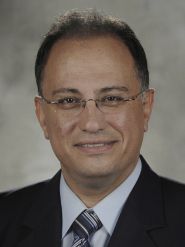
Manos M. Tentzeris (IEEE Fellow)
Ken Byers Professor, Georgia Tech, USA
Title: Autonomous Additively Manufactured FHE-Enabled Wireless/5G+ Ultrabroadband Modules for IoT, SmartAg, Industry 4.0 and AI-enabling ISAC/JCAS Applications
Time: 11:00am-11:30am, Wednesday, February 18, 2026
Abstract:
In this talk, inkjet-/3D-printed antennas, interconnects, "smart" encapsulation and packages, RF electronics, RFIDs microfluidics and sensors fabricated on glass, PET, paper and other flexible substrates are introduced as a system-level solution for ultra-low-cost mass production of Millimeter-Wave/sub-THz Modules and Metasurfaces for Communication, Energy Harvesting and Sensing applications setting the foundation for massively scalable ISAC/JCAS systems . Prof. Tentzeris will touch up the state- of-the-art area of fully-integrated printable FHE-Enabled broadband wireless modules covering characterization of 3D printed materials up to E-band, novel fully 3D printable interconnects, microinductors and microspiral antenna MIMOs up to 300 GHz and cavities for IC embedding as well as fully printable structures for self-monitoring and anti-counterfeiting packages. The presented approach could potentially set the foundation for the truly convergent AI-enabling flexible wireless sensor networks of the future with enhanced cognitive intelligence and "rugged" packaging. The talk will discuss issues concerning the power sources of "near-perpetual" RF modules, including 5G-enabled wireless power grids as well as energy harvesting approaches involving thermal, EM, vibration and solar energy forms demonstrating the first lens-enabled EM energy harvesters with near-hemispherical harvesting capability up to multiple tens of mWatts. The final step of the presentation will involve examples from shape-changing 4D-printed (origami) phased arrays with decade+ operability, packages, reflectarrays and mmW wearable (e.g. biomonitoring) antennas and RF modules. Special attention will be paid on the integration of ultrabroadband (Gb/sec) inkjet-printed nanotechnology-based backscattering communication modules, opto-RF modules as well as miniaturized printable wireless (e.g.CNT) sensors for Internet of Things (IoT), SG and smart agriculture/biomonitoring applications. It has to be noted that the talk will review and present solutions for "5S Challenges" (Scalability, Sustainability, Speed, Security and Smartness) as well as future directions in the area of environmentally-friendly transient ("green") RF electronics and "smart-skin' conformal sensors as well as massively scalable "tile-by-tile" RFID-enabled autonomous reconfigurable intelligent surfaces.
Biography:
Professor Tentzeris was born and grew up in Piraeus, Greece. He graduated fromIonidios Model School of Piraeus in 1987 and he received the Diploma degree in Electrical Engineering and Computer Science (Magna Cum Laude) from the National Technical University in Athens, Greece, in 1992 and the M.S. and Ph.D. degrees in Electrical Engineering and Computer Science from the University of Michigan, Ann Arbor in 1993 and 1998.
He is currently Ed and Pat Joy Chair Professor. From 2016-2023, he served as Ken Byers Professor in the area of flexible electronics with the School of ECE, Georgia Techand he has published more than 850 papers in refereed Journals and Conference Proceedings, 5 books and 25 book chapters. He has served as the Head of the Electromagnetics Technical Interest Group of the School of ECE, Georgia Tech. Also, he has served as the Georgia Electronic Design Center Associate Director for RFID/Sensors research from 2006-2010 and as the GT-Packaging Research Center (NSF-ERC) Associate Director for RF research and the leader of the RF/Wireless Packaging Alliance from 2003-2006. Also, Dr. Tentzeris is the Head of the A.T.H.E.N.A. Research Group (20 students and researchers) and has established academic programs in 3D Printed RF electronics and modules, flexible electronics, origami and morphing electromagnetics, Highly Integrated/Multilayer Packaging for RF and Wireless Applications using ceramic and organic flexible materials, paper-based RFIDs and sensors, inkjet-printed electronics, nanostructures for RF, wireless sensors, power scavenging and wireless power transfer, Microwave MEM's, SOP-integrated (UWB, mutliband, conformal) antennas and Adaptive Numerical Electromagnetics (FDTD, MultiResolution Algorithms). He was the 1999 Technical Program Co-Chair of the 54th ARFTG Conference and he is currently a member of the technical program committees of IEEE-IMS, IEEE-APS and IEEE-ECTC Symposia. He was the TPC Chair for the IMS 2008 Conference and the Co-Chair of the ACES 2009 Symposium. He was the General Co-Chair of the inaugural 2025 IEEE International Conference on Additively Manufactured Electronic Systems (AMES) in Atlanta, of the 2023 IEEE Wireless Power Technology Conference and Expo (WPTCE) in San Diego and of the 2019 IEEE APS Symposium in Atlanta and the Chairman for the 2005 IEEE CEM-TD Workshop. He was the Chair of IEEE-CPMT TC16 (RF Subcommittee) and he was the Chair of IEEE MTT/AP Atlanta Sections for 2003. He is a Fellow of IEEE, a member of MTT-15 Committee, an Associate Member of European Microwave Association (EuMA), a Fellow of the Electromagnetics Academy, and a member of Commission D, URSI and of the the Technical Chamber of Greece. He is the Founder and the inaugural Chair of IEEE MTT-S TC-24 (RFID Technologies). He is one of the IEEE EPS Distinguished Lecturersand he has served as one IEEE CRFID DIstinguished Lecturer and as one IEEE MTT-Distinguished Microwave Lecturers (DML).

Matthew Valenti (IEEE Fellow)
Professor, West Virginia University, USA
Title: Authenticating over Open RAN: Privacy Risks and Architectural Implications
Time: 10:30am-11:00am, Tuesday, February 17, 2026
Abstract:
The 5G Authentication and Key Agreement (AKA) protocol was designed under the assumption of a largely monolithic and trusted radio access network, with adversaries primarily operating at the air interface. Open RAN architectures fundamentally alter this assumption by disaggregating the RAN into cloud-native software components with open interfaces and expanded internal visibility. This talk examines how known 5G AKA privacy weaknesses—such as replay and linkability attacks traditionally associated with rogue base stations—can be reinterpreted as control-plane software exploits in Open RAN systems. In particular, compromised or over-privileged RAN software can replicate the functional role of a rogue base station by capturing authentication challenges, triggering reauthentication, and observing distinguishable failure causes without requiring RF impersonation. Moreover, the openness and centralization inherent in Open RAN architectures can amplify vulnerabilities that were previously localized in space and time, enabling broader correlation and persistence of privacy leakage. These observations highlight a mismatch between protocol-level security guarantees and architectural trust boundaries, and motivate the need for authentication mechanisms that are explicitly aware of disaggregated, software-defined RAN deployments.
Biography:
Matthew Valenti is a Professor in the Lane Department of Computer Science and Electrical Engineering at West Virginia University. Dr. Valenti's research and teaching interests are in the application areas of wireless networking, biometric identification, and cybersecurity. He received B.S. and Ph.D. degrees from Virginia Tech and an M.S. from the Johns Hopkins University. He previously worked as an Electronics Engineer at the U.S. Naval Research Laboratory. Dr. Valenti serves as Director of the Center for Identification Technology Research (CITeR) at WVU, which is an NSF-funded Industry/University Cooperative Research Center (I/UCRC). Dr. Valenti also serves as the main point-of-contact (PoC) for the National Center of Academic Excellence in Cybersecurity (NCAE-C) designation bestowed upon WVU by the National Security Agency (NSA). He is recipient of the 2019 MILCOM Award for Sustained Technical Achievement. Dr. Valenti is registered as a Professional Engineer (P.E.) in the state of West Virginia and is a Fellow of the IEEE.
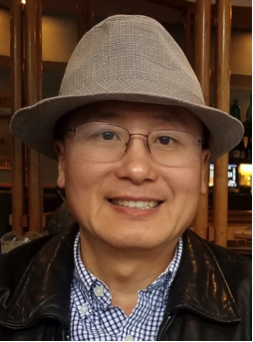
Jie Wang
Professor, University of Massachusetts Lowell, USA
Title: Revolutionizing Academic Writing: An AI-Driven Editing and Typesetting Platform
Time: 11:00am-11:30am, Wednesday, February 18, 2026
Abstract:
In this talk, I present Doenba Edit, an AI-driven online platform for academic writing that integrates AI-assisted editing, WYSIWYG formatting, and LaTeX-snippet typesetting into a novel .edi file format. Built on a modular, template-independent article model and an AI-native architecture, it provides targeted recommendations for phrasing, section completeness, and logical organization. Its intuitive interface, outline-guided workflows, and automatic generation of an abstract and conclusion from the paper's content enhance writing efficiency. It also offers version history and one-click export to a chosen LaTeX template to produce submission-ready PDFs.
Biography: Dr. Jie “Jed” Wang joined the Department of Computer Science at the University of Massachusetts Lowell in 2001 as Full Professor, and chaired the department for 9 years from 2007 to 2016. He has been Director for greater China Partnership of the US-based Consortium for Mathematics an Its Applications (COMAP) since 2011. He was Assistant Professor of Computer Science and then Associate Professor of Computer Science at the University of North Carolina prior to joining UMass. He received a PhD in Computer Science from Boston University in 1990, an MS in Computer Science and a BS in Computational Mathematics both from Sun Yat-sen University in, respectively, 1984 and 1982. He has 30 years of teaching and research experience and has worked as a network security consultant in a national bank. His research interests include data modeling and applications, text mining and learning, text automation systems, machine learning, algorithms and combinatorial optimizations, medical computation, network security, and computational complexity theory. He has published over 180 journal and conference papers, 12 books, and 4 edited books. His research has been funded by the National Science Foundation, IBM, Intel, and other companies. He is active in professional service, including chairing conference program committees and organizing workshops, serving as journal editors and the editor-in-chief of a book series on mathematical and interdisciplinary modeling. He has graduated 18 PhD students and is currently directing 5 PhD students.
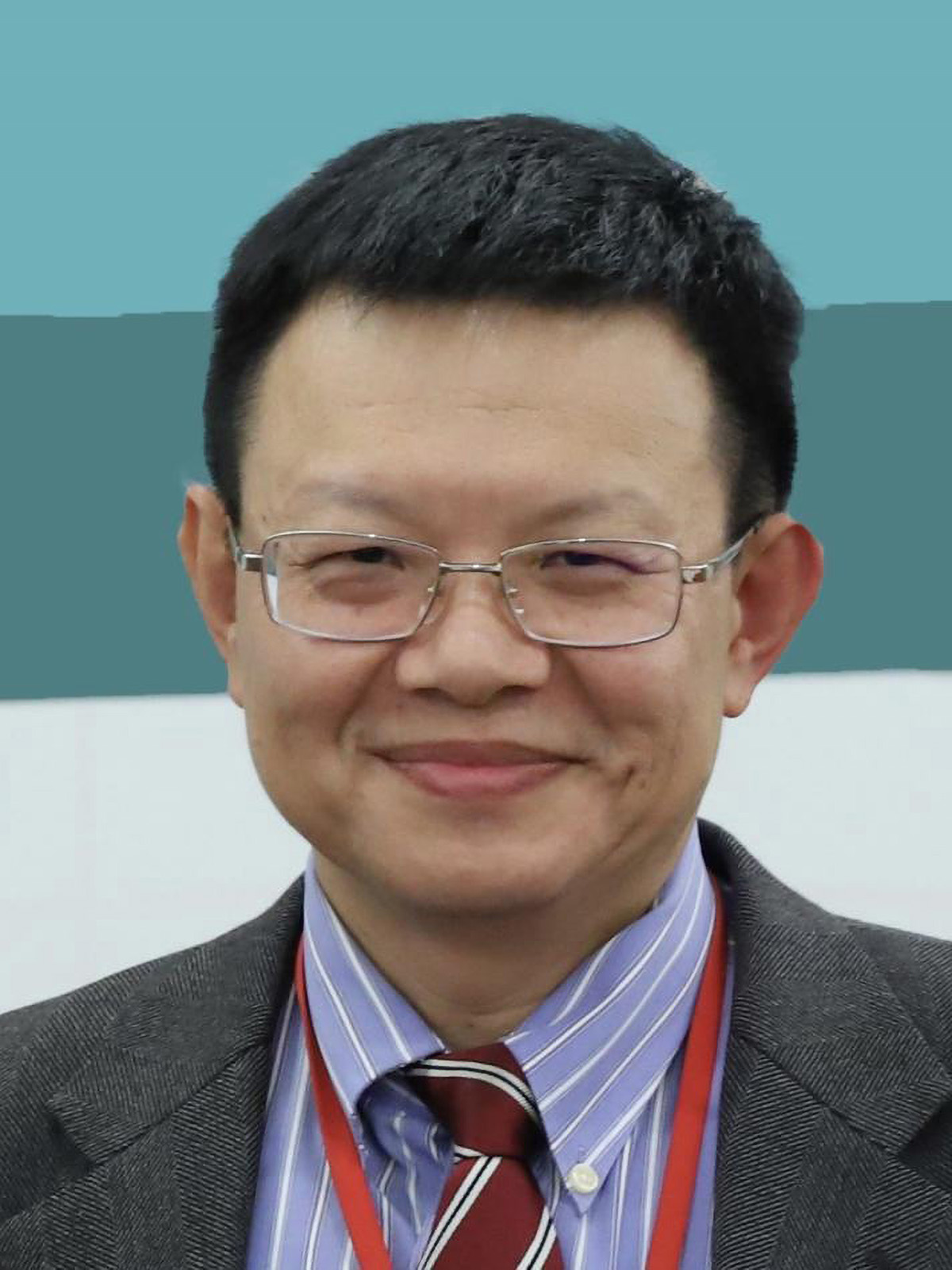
Li-Chun Wang (IEEE Fellow)
Professor and Chairman, National Chiao Tung University, Taiwan
Title: Unmanned Aerial Vehicles Assisted Resilient Communications: Challenges and Opportunities
Time: 4:00pm-4:30pm, Tuesday, February 17, 2026
Abstract:
The integration of unmanned aerial vehicles (UAVs) into sixth-generation (6G) networks presents a transformative approach to resilient wireless communications. This survey provides a comprehensive overview of UAV-assisted networks from three strategic perspectives: deployment as aerial base stations with optimized 3D placement and endurance enhancement; synergistic integration with reconfigurable intelligent surfaces (RIS) for improved link reliability and energy efficiency; and intelligent interference management under dynamic channel conditions. We analyze key techniques including buoyancy-assisted designs, dual-domain energy harvesting, joint trajectory-phase shift optimization, and machine learning-based interference control. This talk further identifies critical challenges in hardware limitations, optimization complexity, and standardization, while outlining future directions toward AI-native architectures and integrated sensing-communication-computation frameworks. This systematic review offers researchers and practitioners a foundational reference for developing intelligent aerial networks in the 6G era.
Biography:
Li-Chun Wang (M'96-SM'06-F'11) received Ph.D. degree from the Georgia Institute of Technology in 1996. Hsearcher at the Wireless Communications Research Institute at AT&T Labs from1996 to 2000. He is currently the Dean of the College of Electrical Engineering and a Lifetime Chair Professor in the Department of Electrical Engineering at National Yang Ming Chiao Tung University. Dr. Wang was elected as a Fellow of the Institute of Electrical and Electronics Engineers (IEEE) in 2011 for his contributions to the design of cellular architectures and wireless resource management in wireless networks.
Dr. Wang has received numerous awards and honors, including the Distinguished Research Awards from National Science and Technology Council twice (2012 and 2016), the Future Tech Award from the National Science and Technology Council (2021), the Chinese Institute of Engineers (CIE) Outstanding Electrical Engineering Professor Award (2022), the Outstanding Engineering Professor Award from the Chinese Institute of Electrical Engineering (2009), the K.T. Li Fellow Award (2021) and the Medal of Honor (2024) from the Institute of Information & Computing Machinery (iICM), the Outstanding ICT. Elite Award (2020), the Y. Z. Hsu Scientific Paper Award (2013), the Y. Z. Hsu Scientific Chair Professor (2023), the Chinese Institute of Engineers (CIE) Fellow (2025), and the Pan Wen Yuan Foundation, Outstanding Research Award (2025), the Chinese Institute of Engineers (CIE) Engineering Medal (2025).
Dr. Wang serves as the Director of the Chunghwa Telecom-NYCU Innovation Research Center and the NYCU-IBM iIoT Research Center. He has collaborated with numerous domestic and international companies and holds 50 domestic and international patents, sixteen of which have been applied in commercial products. He is currently an Associate Editor of the IEEE Internet of Things Journal. His recent research interests lie in data-driven intelligent wireless communications, brain computer interface for human-AI symbiosis technology, and green energy sustainable systems. He has published over 300 journal and conference papers, co-edited a book "Key Technologies for 5G Wireless Communications" (Cambridge University Press, 2017), and co-authored the book “Green Energy Driven Integrated Smart Grid and Wireless Networks” (Springer, 2026).
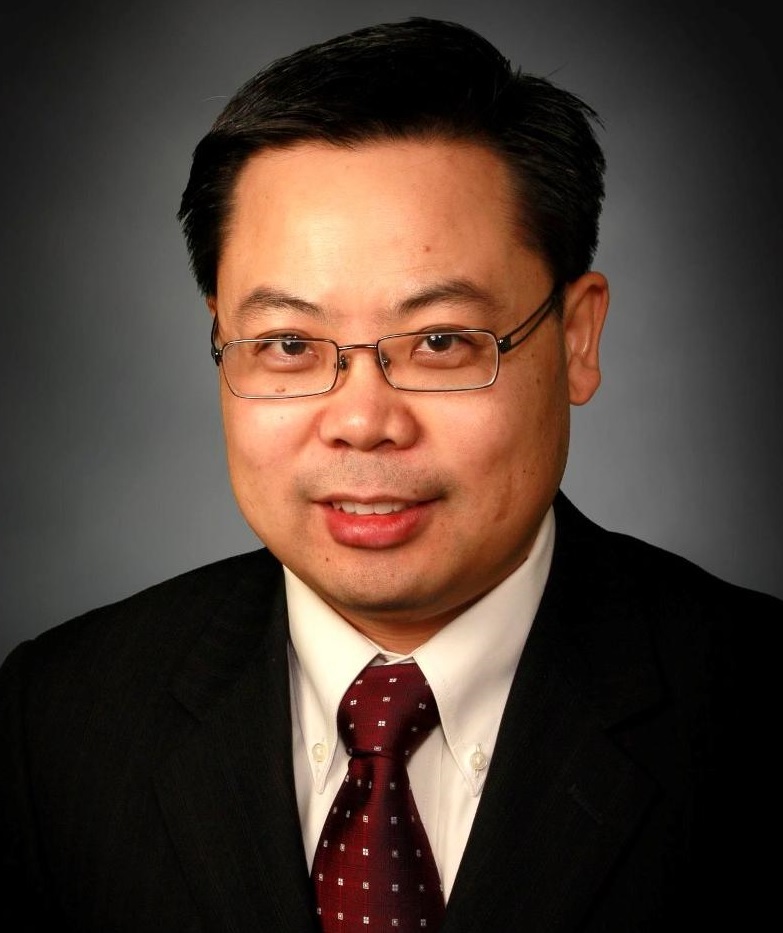
Xianbin Wang (IEEE Fellow)
Western University, Canada
Title: Trusted Collaboration and Task Completion through Long-Term Behavioral Evaluation Based Reliable Collaborator Selection
Time: 11:00am-11:30am, Thursday, February 19, 2026
Abstract:
The rapid evolution of digital technologies from 1G to 6G, coupled proliferation networked system, has given rise to a wide variety of complex tasks that can only be executed by distributed devices collaboratively. In effectively completing such complex tasks, a core challenge lies in dynamically aligning diverse task-specific requirements with the capabilities, reliability and conditions of potential collaborators through intelligent trust evaluation. This invited presentation will explore the critical aspects of intelligent trust evaluation and collaborator selection for collaborative task completion. Specifically, this presentation will cover: i) Evolving challenges in trusted collaboration in networked systems, including diverse task requirements, task-specific definitions of trust, and their impact on effective task completion. ii) Key enabling technologies and mathematical frameworks for task-specific trust evaluation, trusted collaborator selection, and effective task completion. iii) A bidirectional Mamba-enabled model (BM) for long-term behavioral evaluation and collaborator selection. This includes a graph based on historical collaborations among devices for short-term behavioral analysis, and a bidirectional Mamba model to integrate these short-term results for a reliable long-term behavior evaluation for trusted collaborator selection.
Biography:
Dr. Xianbin Wang is a Distinguished University Professor and a Tier-1 Canada Research Chair in Trusted Communications and Computing with Western University, Canada. His current research interests include 5G/6G technologies, Internet of Things, machine learning, communications security, and intelligent communications. He has over 700 highly cited journals and conference papers, in addition to over 30 granted and pending patents and several standard contributions.
Dr. Wang is a Fellow of IEEE, a Fellow of the Canadian Academy of Engineering and a Fellow of the Engineering Institute of Canada. He has received many prestigious awards and recognitions, including the IEEE Canada R. A. Fessenden Award, Canada Research Chair, Engineering Research Excellence Award at Western University, Canadian Federal Government Public Service Award, Ontario Early Researcher Award, and 10 Best Paper Awards. He is currently a member of the Senate, Senate Committee on Academic Policy and Senate Committee on University Planning at Western. He has been involved in many flagship conferences, including GLOBECOM, ICC, VTC, PIMRC, WCNC, CCECE, and ICNC, in different roles, such as General Chair, TPC Chair, Symposium Chair, Tutorial Instructor, Track Chair, Session Chair, and Keynote Speaker. He serves/has served as the Editor-in-Chief, Associate Editor-in-Chief, and editor/associate editor for over ten journals. He has served on the IEEE Fellow Committee and the Fellow Committee of IEEE Communications Society. He was the Chair of the IEEE ComSoc Signal Processing and Computing for Communications (SPCC) Technical Committee and the Central Area Chair of IEEE Canada.
Miki Yamamoto (IEICE Fellow)
Professor, Kansai University, Japan
Title: Mitigating Bandwidth Overestimation in TCP BBR
Time: 11:30am-12:00pm, Wednesday, February 18, 2026
Abstract:
TCP BBR is a congestion-based congestion control algorithm proposed by Google and is currently reported to be the second most widely deployed TCP variant. BBR was originally designed to operate at the optimal control point proposed by Kleinrock, at which maximum throughput is achieved with minimum round-trip time (RTT). However, it is well known that BBR suffers from a technical limitation whereby the available bandwidth is systematically overestimated, causing its operating point to shift toward an inflight cap of approximately 2BDP (bandwidth–delay product). In this talk, we propose a modified BBR algorithm that mitigates the overestimation of available bandwidth through a simple analytical approach. The proposed design carefully reduces the BBR transmission rate during the seek cycle (with a pacing gain of 1.25), while preserving rapid rate increases when the available network bandwidth temporarily increases. Performance evaluation results demonstrate that the proposed algorithm operates close to the ideal control point and effectively resolves intra-protocol fairness issues inherent in the original BBR.
Biography:
Prof. Miki Yamamoto received the B.E., M.E., and Ph.D. degrees in communications engineering from Osaka University, in 1983, 1985, and 1988, respectively. He joined the Department of Communications Engineering, Osaka University, in 1988. He moved to the Department of Electrical Engineering and Computer Science, Kansai University, in 2005, where he is currently a professor. He visited the University of Massachusetts at Amherst, in 1995 and 1996 as a visiting professor. His research interests include content distribution, congestion control in the Internet and datacenter congestion control. He is a member of IEEE, ACM and IPSJ, and a fellow of IEICE. He has received the Best Paper Award of IEEE CQR Workshop 2017 and IEEE LANMAN Workshop 2018. He has served many technical and geographical activities in IEEE, including the Kansai Section Chair, an Executive Committee Member of Region 10, and the Technical Program Co-Chair of ICC 2019 CQRM Symposium.
Qiang Ye
Dalhousie University, Canada
Title: Utilizing Machine Learning to Detect Tor Traffic: A Realistic Dataset and A Comprehensive Analysis
Time: 11:30am-12:00pm, Tuesday, February 17, 2026
Abstract:
With the increasing adoption of anonymization networks such as Tor, accurately distinguishing Tor traffic from conventional Internet traffic has become a critical requirement. In this paper, we present a fully controlled framework for generating realistic Tor and Non-Tor traffic datasets to evaluate encrypted traffic detection schemes. The framework combines a Debian workstation, a Whonix gateway, and a noise-free AWS web server with Selenium-based automation to reproduce identical activities over both Tor and direct Internet connections. Using the proposed framework, we generate an up-to-date dataset that covers six application classes: web browsing, video streaming, file transfer, instant messaging, voice over IP, and video conferencing. We then evaluate six Tor traffic detection models: Decision Tree, Random Forest, XGBoost, MLP, CNN, and RNN. Experimental results show that traditional tree-based models, especially Random Forest and XGBoost, consistently outperform deep learning approaches, achieving high accuracy in distinguishing Tor from Non-Tor flows across diverse traffic types.
Biography:
Qiang Ye is a Professor in the Faculty of Computer Science at Dalhousie University, Canada. His current research interests lie in the area of communication networks in general. Specifically, he is interested in Wireless Networks, Internet of Things (IoT), Network Security, and Machine Learning. He has published a series of papers in top publication venues such as IEEE/ACM Transactions on Networking (TON), IEEE Transactions on Parallel and Distributed Systems (TPDS), and IEEE Transactions on Wireless Communications (TWC). He received a Ph.D. in Computing Science from the University of Alberta in 2007. His M. Engr. and B. Engr. in Computer Science and Technology are from Harbin Institute of Technology, P.R. China. He is a Senior Member of IEEE.

Shucheng Yu (IEEE Fellow)
Associate Professor, Stevens Institute of Technology, USA
Title: Waveform Design for ISAC: Trends and Future Directions
Time: 11:30am-12:00pm, Thursday, February 19, 2026
Abstract:
Communication (ISAC) aims to unify radar sensing and data transmission within shared spectrum and hardware resources. This survey reviews ISAC waveform design with a focus on practical trade-offs and deployability. We adopt a design philosophy based categorization, grouping schemes categorize current approaches based on design philosophy, grouping them into communication-centric modifications, hybrid OFDM-chirp, and balanced OFDM-FMCW waveform designs. We then examine waveform, communication, and sensing metrics, highlighting how PAPR, spectral shaping, BER/EVM, and sensing accuracy jointly constrain design choices. Finally, we identify critical open challenges in multiple aspects and outline integration opportunities with emerging technologies such as reconfigurable intelligent surfaces, AI-driven optimization, and Open RAN. Our assessment indicates that moving from promising prototypes to robust NextG deployments will require waveform designs that are not only spectrally efficient, but also hardware-aware, interference-resilient, and aligned with privacy constraints.
Biography:
Shucheng Yu's current research interests include information security, applied cryptography, wireless networking and sensing, distributed trust, and applied machine learning. He is also interested in practical security and privacy in IoT systems.
He is the recipient of the Test of Time Paper Award of IEEE Infocom 2020 for his research on cloud data security. He directs the AISecLab research cluster of the ECE department at Stevens. He is a Fellow of IEEE.

Michele Zorzi (IEEE Fellow)
Professor, University of Padova, Italy
Title: Experimental Evaluation of a UAV-Mounted LEO Satellite Backhaul for Emergency Connectivity
Time: 5:30pm-6:00pm, Monday, February 16, 2026
Abstract:
Reliable connectivity is critical for Public Protection
and Disaster Relief (PPDR) operations, especially in rural or
compromised environments where terrestrial infrastructure is
unavailable. In such scenarios, Non-Terrestrial Networks (NTNs),
and specifically Unmanned Aerial Vehicles (UAVs), are promising
candidates to provide on-demand and rapid connectivity on
the ground, serving as aerial base stations. In this paper, we
implement a setup in which a rotary-wing UAV, equipped with
a Starlink Mini terminal, provides Internet connectivity to an
emergency ground user in the absence of cellular coverage via
Low Earth Orbit (LEO) satellites. The UAV functions as a Wi-Fi
access point, while backhauling the ground traffic through the
Starlink constellation. We evaluate the system via both network
simulations in ns-3 and real-world flight experiments in a rural
environment, in terms of throughput, latency, coverage, and
energy consumption under static and dynamic flight conditions.
Our results demonstrate that the system can maintain a stable
uplink throughput of approximately 30 Mbps up to approxi-
mately 200 meters, and with minimal impact on the UAV battery
lifetime. These findings demonstrate the feasibility of deploying
commercial LEO satellite terminals on UAVs as a practical
solution for emergency connectivity.
Biography:
Michele Zorzi received his Laurea and Ph.D. degrees in electrical engineering from the University of Padova in 1990 and 1994, respectively. During academic year 1992/1993 he was on leave at the University of California San Diego (UCSD). After being affiliated with the Dipartimento di Elettronica e Informazione, Politecnico di Milano, Italy, the Center for Wireless Communications at UCSD, and the University of Ferrara, in November 2003 he joined the faculty of the Information Engineering Department of the University of Padova, where he is currently a professor. His present research interests include performance evaluation in mobile communications systems, random access in mobile radio networks, ad hoc and sensor networks and IoT, energy constrained communications protocols, 5G millimeter-wave cellular systems, and underwater communications and networking. He was Editor-in-Chief of IEEE Wireless Communications from 2003 to 2005, Editor-in-Chief of IEEE Transactions on Communications from 2008 to 2011, and is currently the founding Editor-in-Chief of IEEE Transactions on Cognitive Communications and Networking. He was Guest Editor for several Special Issues in IEEE Personal Communications, IEEE Wireless Communications, IEEE Network, and IEEE JSAC. He served as a Member-at-Large in the Board of Governors of the IEEE Communications Society from 2009 to 2011, and as its Director of Education from 2014 to 2015. He is a Fellow of the IEEE.